
Trending
Oil Prices Tumble as Europe Mulls Emergency Stockpile Release
Brussels distances itself from Dutch dispute over Sierra Leone drug suspect
JERA Chief Predicts Sustained LNG Price Hikes Through Winter
Protesters Gather as Trump Hosts Exclusive Crypto Investor Dinner
Trump Meme Coin Holders Offered Dinner in Exchange for Token Purchases
Pentagon Readies Carrier Surge as Iran Tensions Escalate
Newsroom
All materials →Protesters Gather as Trump Hosts Exclusive Crypto Investor Dinner
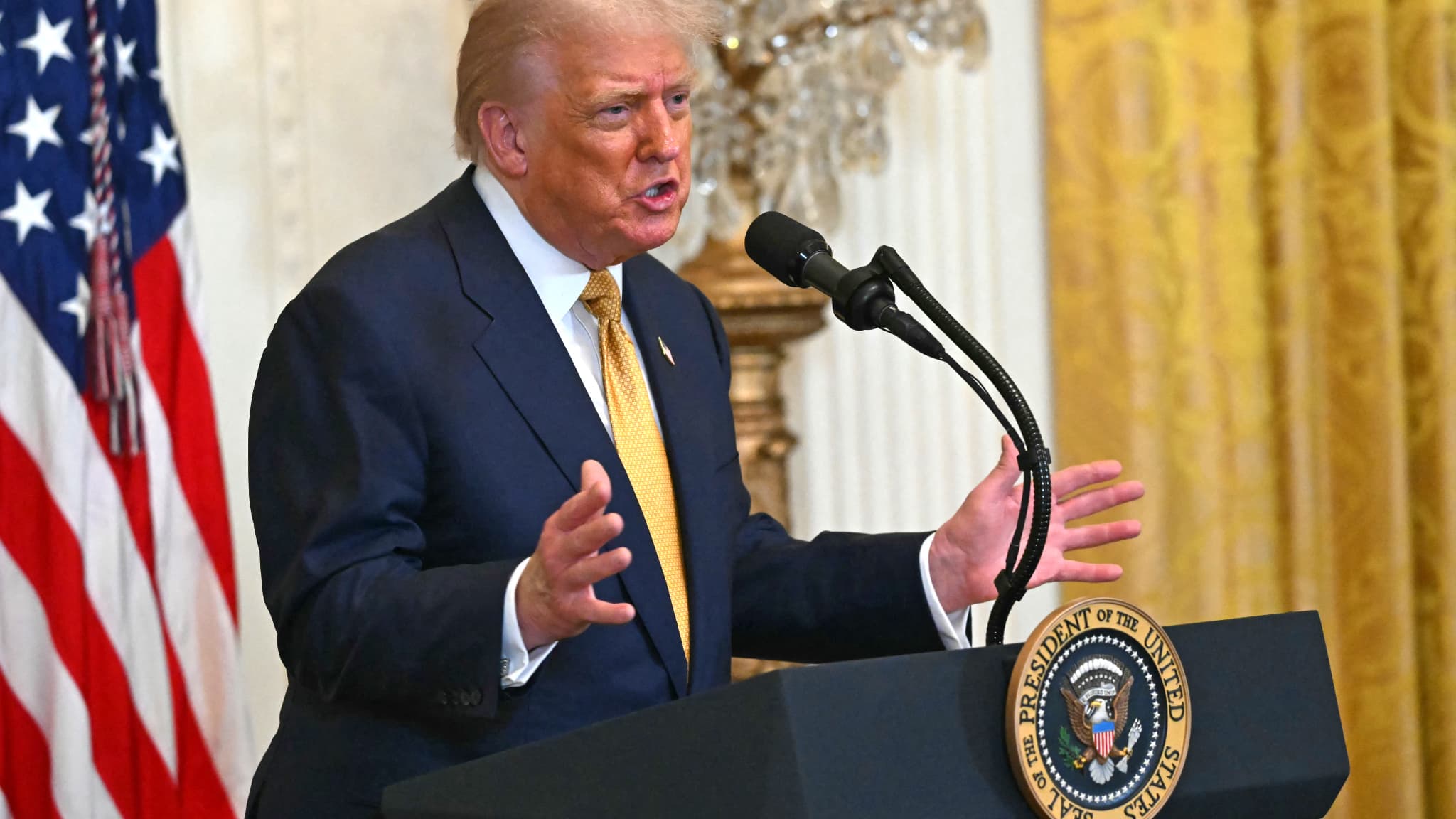
Protesters are descending on Donald Trump’s Virginia golf club Thursday night, marking their opposition to a private dinner between the president and the top 220 investors in his personal meme coin. Critics and ethics watchdogs are labeling the event a brazen display of corruption, citing the massive financial stakes involved.
Trump Meme Coin Holders Offered Dinner in Exchange for Token Purchases
Donald Trump’s crypto venture is incentivizing further investment in its volatile $TRUMP token by offering top buyers an invitation to what organizers call the world’s most exclusive dinner. The campaign, managed by CIC Digital and Fight Fight Fight LLC, rewards high-volume holders with a private evening at the president’s Virginia golf club.
Pentagon Readies Carrier Surge as Iran Tensions Escalate
President Donald Trump is expanding the U.S. military footprint in the Middle East, with the Pentagon preparing to deploy a third aircraft carrier and 9,000 additional troops. The move signals a potential broadening of a conflict the president previously claimed was concluded, raising stakes ahead of November's midterm elections.

UN Experts Demand End to Executions After Botched Tennessee Attempt
United Nations human rights experts have condemned Tennessee’s handling of the execution of Christa Pike, calling for an immediate end to further attempts after two lethal injections of pentobarbital failed to kill the 50-year-old inmate at the Riverbend Maximum Security Institution on Wednesday night.

OpenAI Ousts Safety Researchers, Sparking Whistleblower Concerns
"Looks like they're firing whistleblowers," said Congressional Progressive Caucus Chair Greg Casar after reports emerged that OpenAI terminated three safety researchers. The move, which the company claims was due to a breach of confidential procedures, has reignited fears that the firm is silencing internal warnings about AI risks.
Coalition Challenges New Trump Admin Endangered Species Directives
A coalition of conservation groups has expanded its federal lawsuit against the Trump administration, targeting new agency directives that effectively legalize the incidental killing of protected wildlife. The legal challenge, filed in a Seattle court, argues that these policies gut the fundamental protections of the 1973 Endangered Species Act.
Energy
All materials →
Oil Prices Tumble as Europe Mulls Emergency Stockpile Release
Global crude markets retreated Friday as European governments weighed a coordinated release of emergency oil stocks, bowing to intense pressure from the U.S. administration. WTI crude plummeted nearly 4% to $89.36, while Brent crude slipped below the $100 threshold, signaling market anxiety over the potential intervention.

JERA Chief Predicts Sustained LNG Price Hikes Through Winter
With the Strait of Hormuz effectively closed to Qatari LNG shipments, global energy markets face a volatile winter. Yukio Kani, CEO of Japan’s JERA, warns that the ongoing stalemate in the region signals no immediate relief for supply chains, keeping upward pressure on natural gas prices in Asia and Europe.
Global Fuel Subsidies Face $1 Trillion Breaking Point
With global energy prices surging, government efforts to shield consumers from record costs are threatening to exhaust fiscal reserves worldwide. The United Nations Development Programme warns that fossil fuel subsidies could eclipse $1 trillion this year, leaving developing nations with little room to maneuver against compounding economic shocks.
Energy ETFs Surge as Middle East Conflict Rewrites Commodity Markets
With the S&P 500 climbing steadily, the energy sector has emerged as the clear market leader in 2026, delivering a 37.4% return. While traditional stocks have enjoyed gains, specialized exchange-traded funds holding futures contracts have far outpaced broader indexes, fueled by geopolitical instability and shifting global supply chains.

Goldman Sachs Warns Latin America Faces Brunt of U.S. Diesel Ban
Latin American economies, not European ones, would suffer the most severe fallout if the United States halts diesel exports, according to Goldman Sachs. With nations like Mexico, Ecuador, Chile, and Peru sourcing half of their fuel from American refineries, a shipment suspension threatens to shave a full percentage point off regional GDP growth.

ConocoPhillips Secures Long-Term LNG Supply from Venture Global
Conflict defines the landscape of this new 20-year agreement, as Venture Global secures a major partner despite ongoing litigation from other industry giants. The deal mandates the delivery of 1 million tons of liquefied natural gas annually to ConocoPhillips, with supply scheduled to commence in 2030.
Startups & Technology
All materials →
California mandates robotaxi accountability for emergency interference
Autonomous vehicle operators in California face new legal consequences for obstructing emergency services, following a string of incidents where stalled robotaxis hindered police and firefighters. Governor Gavin Newsom signed Senate Bill 1246 into law, establishing strict response requirements and financial penalties for companies that fail to clear public roadways.

Navigating TechCrunch Disrupt 2026: A Founder’s Strategic Roadmap
TechCrunch Disrupt returns to San Francisco’s Moscone West from October 13-15, shifting its primary focus toward the practicalities of building enduring companies within the AI era. Beyond the high-profile stage discussions, the event centers on tactical networking, investor matchmaking, and the realities of scaling operations in a rapidly evolving market.

Kevin Mandia launches Armadin with $2.5 billion valuation
Kevin Mandia, the architect behind the $5.4 billion sale of Mandiant to Google, has secured $255.5 million in Series B funding for his new cybersecurity venture, Armadin. The company, which specializes in autonomous agent swarms for defense testing, reached a valuation of $2.5 billion just months after its initial launch.

Lyft Settles California Driver Misclassification Suit for $272.5 Million
Lyft has reached a $272.5 million settlement to resolve a long-standing lawsuit accusing the ride-hailing giant of misclassifying California drivers as independent contractors. The agreement effectively ends years of legal friction over whether gig workers were entitled to employee protections, such as overtime, minimum wage, and paid sick leave.
Trump, Musk and the AI Behind the Venezuela Invasion
Before the U.S. military seized Nicolás Maduro in January 2026, Donald Trump turned to an unlikely advisor for geopolitical strategy: Elon Musk’s Grok chatbot. A secret meeting between the pair revealed how the president relied on the AI's assessment of Venezuelan public sentiment to greenlight the high-stakes operation.

MyMonthlyCar aims to monetize idle dealership inventory
Igor Dobrianskyi sees 76,000 U.S. car dealerships as a vast, untapped resource of depreciating assets. His startup, MyMonthlyCar, connects these idle vehicles with drivers seeking flexible, month-to-month rentals, offering dealers a potential path to convert long-term renters into final buyers through a rent-to-own model.
Europe
All materials →Brussels distances itself from Dutch dispute over Sierra Leone drug suspect
Migration commissioner Magnus Brunner attributed the sudden freeze of EU aid to Sierra Leone to technical considerations, flatly contradicting Dutch claims that the funding halt is a targeted diplomatic gambit to force the extradition of Jos Leijdekkers, one of the world’s most-wanted cocaine traffickers currently hiding in West Africa.

Inside the Human Rights Crisis Unfolding in Ceuta
In the Spanish enclave of Ceuta, European law has effectively been replaced by a system of arbitrary military control. Thousands of migrants now live in conditions of forced degradation, trapped in a border zone where state officials, local political factions, and security forces operate with impunity against the most vulnerable.

Europe’s Housing Strategy Needs More Than Rental Curbs
With 47 million dwellings currently unoccupied across the European Union, the proposed Affordable Housing Act risks missing its mark by focusing narrowly on short-term rental restrictions. While regulating tourist platforms offers a start, the legislation fails to address the deep-seated structural issues fueling the continent's housing affordability crisis.

How TikTok algorithms drive a wedge between young voters
Greta and Lena, two 16-year-olds from Mecklenburg-Vorpommern, traded their social media abstinence for a month-long experiment with Deutschlandfunk journalists. Their mission was simple: track how TikTok’s algorithm dictates political exposure during an election cycle, revealing how quickly a neutral feed transforms into a targeted stream of radicalized political messaging.

Schengen in the Balance: The Limits of Temporary Border Controls
Italy’s recent decision to extend border checks with Spain has reignited a debate over the legality of suspending the Schengen area’s core principle of free movement. While Rome cites security concerns following migrant arrivals in Ceuta, critics argue these measures lack the legal justification required by European law.

Europe's Abortion Access Stalls Amid Conservative Pushback
Despite a long-standing reputation as a global leader in reproductive rights, Europe is witnessing a sharp regression. New data from the Centre for Reproductive Rights reveals that while legal frameworks once trended toward liberalization, a resurgence of conservative resistance is now actively dismantling established access to safe abortion care.
Wealth
All materials →
UK Wealthy Sentiment Sours Amidst Tax Policy Anxiety
Confidence among the UK’s wealthiest individuals has reached new lows, as speculation surrounding potential tax reforms under Prime Minister Andy Burnham’s government triggers widespread financial unease. The latest Saltus Wealth Index reveals that fears over estate duties and pension adjustments are now fundamentally altering how families manage their assets.

European Wealth Managers Struggle to Explain Private Market Offerings
While 73 percent of European wealth managers have integrated private market assets into their portfolios, most firms fail to communicate these complex offerings clearly to clients. A new report by Peregrine Communications reveals a significant transparency gap, with only a small fraction of banks providing dedicated educational resources for investors.

Executive Appointments at RBC BlueBay and Lincoln International
RBC BlueBay Asset Management and Lincoln International are bolstering their European operations through two high-profile leadership appointments. As the wealth management sector navigates shifting market conditions, these firms have tapped industry veterans to oversee the expansion of their alternatives and financial services advisory platforms across the continent.
Nuveen Finalizes $12.6 Billion Acquisition of Schroders
A £9.5 billion deal has officially merged two financial giants, as US-based Nuveen completes its acquisition of Schroders. The transaction creates a global powerhouse managing $2.6 trillion in assets, signaling a broader push for scale and diversification within the highly competitive Anglo-American wealth management landscape.

BNP Paribas Targets Nordic Wealth Market
With 75 dollar billionaires and 10,000 ultra-high-net-worth individuals residing in the Nordic region, BNP Paribas is launching a dedicated wealth management unit. The French banking giant aims to capture this growing pool of capital by integrating its institutional banking strength with specialized services for entrepreneurs and family offices.

Hawksford Consolidates Luxembourg Operations Into Single Entity
Jersey-based corporate and fund services provider Hawksford has unified three separate Luxembourg businesses into a single legal entity, Hawksford (Luxembourg) SA. The restructuring follows a 2025 acquisition spree, effectively folding multiple regulatory licenses under the oversight of the Commission de Surveillance du Secteur Financier into one streamlined operation.