HomeEnergy

Energy

India Returns to Iraqi Oil Imports as Tanker Traffic Resumes
Energy

India Returns to Iraqi Oil Imports as Tanker Traffic Resumes

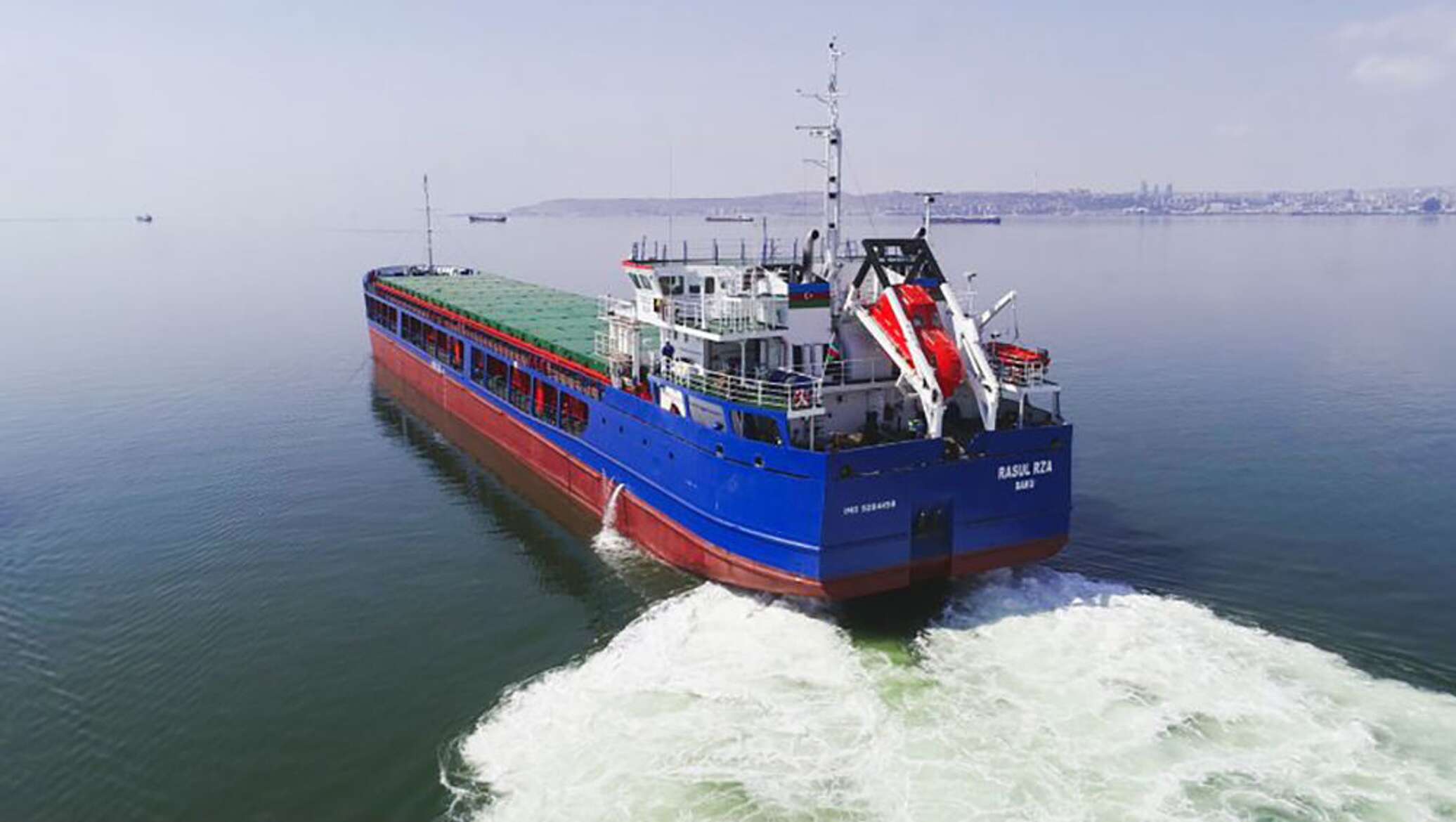
With the Strait of Hormuz tentatively reopened, Indian state refiners are resuming crude shipments from Iraq. Mangalore Refinery and Petrochemicals Limited has chartered the Aframax tanker Jasmin Joy to load oil at the Basrah terminal, marking a shift for a nation grappling with persistent freight volatility and regional transit risks.

Money Talk·Jul 7
Shell Expects Trading Windfall as Iran Conflict Stirs Markets
Energy

Shell Expects Trading Windfall as Iran Conflict Stirs Markets

Extreme volatility triggered by the conflict in Iran is handing Shell a significant boost in its integrated gas trading operations. The UK-based energy giant signaled on Tuesday that second-quarter returns from its trading and optimization division will substantially outpace the figures reported during the opening three months of the year.

Money Talk·Jul 7
Energy

Strait of Hormuz Traffic Shows Signs of Uneven Recovery

Two Japanese-owned supertankers carrying 4 million barrels of Saudi crude have resumed their transit through the Strait of Hormuz, signaling a slow thaw in activity at the world’s most critical oil chokepoint after recent Iranian-imposed shutdowns stalled regional shipping lanes.

Money Talk·Jul 7
Trump and Zelenskyy Set for NATO Summit Talks Amid Strategic Shift
Energy

Trump and Zelenskyy Set for NATO Summit Talks Amid Strategic Shift

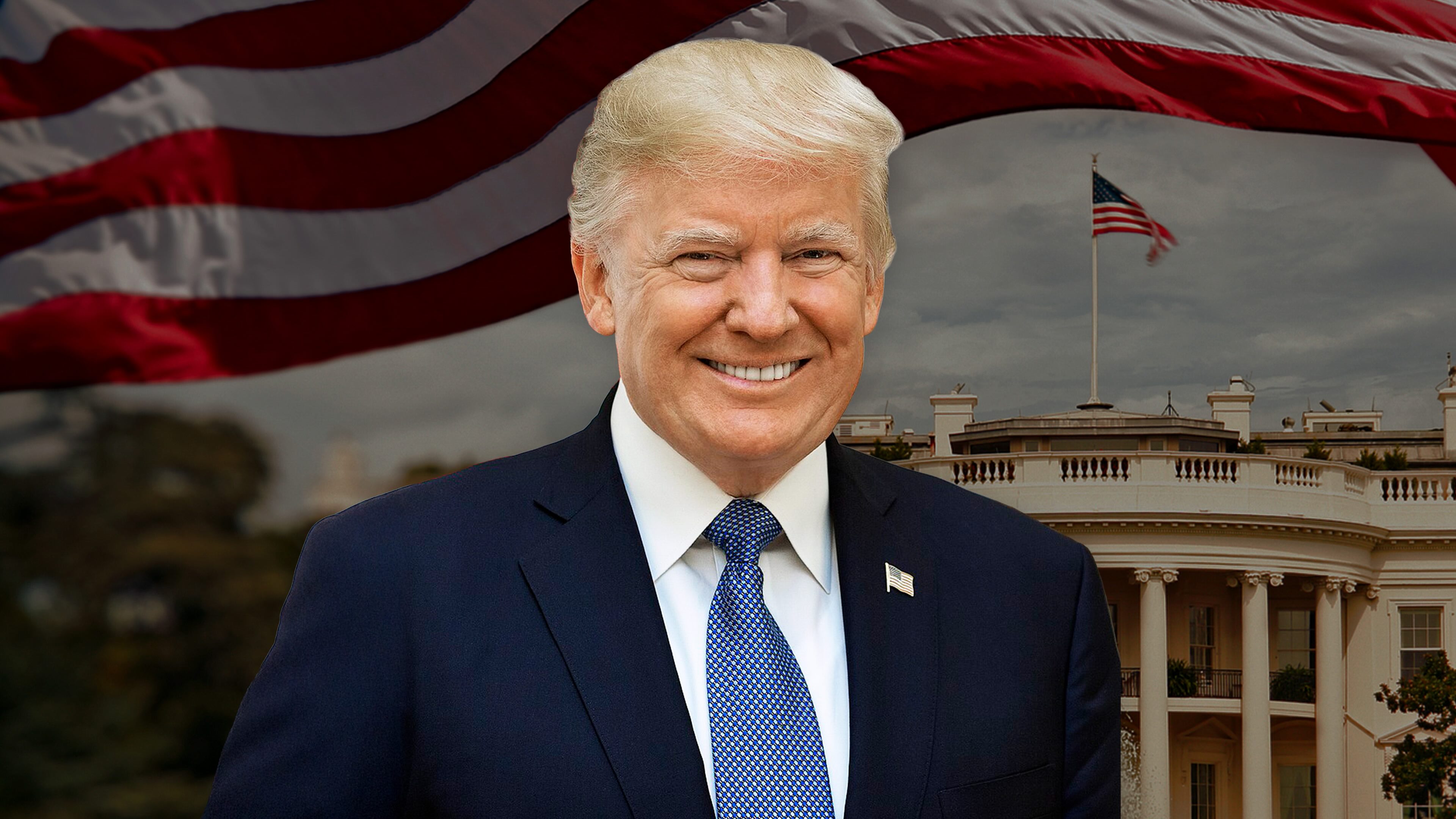
President Donald Trump will meet Volodymyr Zelenskyy at this week’s NATO summit in Ankara, a move intended to revive stalled peace efforts. The meeting follows separate calls between Trump, Zelenskyy, and Vladimir Putin, as the White House pushes to position itself as the primary mediator in the protracted conflict.

Money Talk·Jul 7
Gulf Producers Initiate Aggressive Price War for Asian Market Share
Energy

Gulf Producers Initiate Aggressive Price War for Asian Market Share

Saudi Arabia has slashed official selling prices for crude bound for Asia by up to $11 per barrel, marking a historic shift as regional exporters scramble to offload surplus supply. This aggressive repricing follows a period of record-high costs, signaling a desperate pivot to regain competitiveness in a cooling market.

Money Talk·Jul 7
India’s Fuel Demand Softens Despite Record Crude Imports
Energy

India’s Fuel Demand Softens Despite Record Crude Imports

India’s fuel consumption dropped 3.7% in June to 19.24 million metric tons, marking a decline from May figures despite a surge in crude oil imports. While domestic appetite for transport fuels cooled, the nation’s refinery sector continues to recalibrate its supply chains following regional instability near the Strait of Hormuz.

Money Talk·Jul 7
Nigeria Targets Energy Hub Status with Deepwater Push and Dangote IPO
Energy

Nigeria Targets Energy Hub Status with Deepwater Push and Dangote IPO

Nigeria is aggressively pivoting its energy sector away from simple crude extraction toward a comprehensive industrial hub model. With the Dangote Refinery preparing for a $4 billion IPO and global majors like Shell and ExxonMobil reviving deepwater assets, the nation is testing its capacity to attract long-term capital.

Money Talk·Jul 7
EU Energy Strategy Stumbles as US LNG Imports Decline
Energy

EU Energy Strategy Stumbles as US LNG Imports Decline

Price-sensitive European buyers shunned American liquefied natural gas last month, diverting shipments to Asia and undermining a $750 billion trade pledge. This sharp contraction in U.S. imports threatens the EU’s energy security as the bloc enters a critical period with record-low gas storage levels heading into winter.

Money Talk·Jul 7
Pakistan Bypasses Afghan Transit With New Iran and China Trade Corridors
Energy

Pakistan Bypasses Afghan Transit With New Iran and China Trade Corridors

Pakistan has officially activated new land routes connecting Central Asian markets to its southern ports, effectively bypassing Afghanistan. By utilizing strategic transit corridors through Iran and China, Islamabad has ended its long-standing reliance on volatile border crossings, stripping Kabul of its traditional leverage over regional trade logistics.

Money Talk·Jul 7
Abu Dhabi Bets on Integrated Energy and AI Ecosystem
Energy

Abu Dhabi Bets on Integrated Energy and AI Ecosystem

Abu Dhabi is shifting from traditional sector-based growth to a unified national strategy that links energy security, artificial intelligence, and maritime logistics. By treating these pillars as a single, interdependent economic engine, the Emirate aims to redefine long-term competitiveness in a landscape where infrastructure is no longer siloed.

Money Talk·Jul 7
Big Oil Faces Political Heat as Profits Surge to Four-Year Highs
Energy

Big Oil Faces Political Heat as Profits Surge to Four-Year Highs

The closure of the Strait of Hormuz has sent crude prices to four-year highs, handing ExxonMobil and Chevron windfall second-quarter earnings that tripled since March. Yet, the record profits have triggered a fierce confrontation with President Donald Trump, who is demanding an immediate drop in gasoline prices ahead of the midterms.

Money Talk·Jul 7
Hess Corporation’s $250 Million Bet on Carbon Credits
Energy

Hess Corporation’s $250 Million Bet on Carbon Credits

Hess Corporation has retired 12.5 million carbon credits purchased from Guyana in a deal valued at $250 million. While carbon markets have long faced skepticism regarding their effectiveness, this transaction marks a rare, large-scale transfer of capital from the fossil fuel industry directly into nature-based climate preservation.

Money Talk·Jul 7
Washington’s Multi-Front Strategy to Neutralize the Hormuz Chokepoint
Energy

Washington’s Multi-Front Strategy to Neutralize the Hormuz Chokepoint

The Strait of Hormuz has long served as Iran’s most potent geopolitical lever, but the recent blockade and subsequent 70% oil price surge have forced Washington to pivot. Rather than relying on temporary crisis management, the U.S. and its allies are now aggressively engineering a permanent bypass of the vital energy artery.

Money Talk·Jul 7
Saudi Crude Flows Surge Through Hormuz Despite Shrunken Traffic
Energy

Saudi Crude Flows Surge Through Hormuz Despite Shrunken Traffic

With only 27 commercial vessels crossing the Strait of Hormuz daily—a sharp drop from the pre-war average of 84—Saudi Arabia has still managed to push 34 million barrels of crude through the waterway since the June 17 ceasefire, highlighting a widening gap between oil exports and general shipping activity.

Money Talk·Jul 7
Geopolitical Volatility Accelerates the Shift Toward Renewables
Energy

Geopolitical Volatility Accelerates the Shift Toward Renewables

The Iran conflict serves as a catalyst for energy transformation, exposing the structural fragility of fossil fuel markets. While munitions and infrastructure firms capture immediate gains from wartime demand, the long-term investment landscape is shifting as consumers and policymakers prioritize price stability over the volatile reliance on global oil and gas.

Money Talk·Jul 6
UAE Boosts Oil Output to Six-Year High Following OPEC Exit
Energy

UAE Boosts Oil Output to Six-Year High Following OPEC Exit

With output climbing above 3.8 million barrels per day in June, the UAE is aggressively converting its spare capacity into exports. Since formally withdrawing from OPEC and OPEC+ on May 1, Abu Dhabi has shed production restrictions to prioritize market share as global oil prices retreat toward $72 a barrel.

Money Talk·Jul 6
Russian Oil Revenue Collapses as Urals Hits $42
Energy

Russian Oil Revenue Collapses as Urals Hits $42

With the price of flagship Urals crude plummeting to $41.66 a barrel in early July, Russia’s recent fiscal reprieve has evaporated. This sharp decline leaves the federal budget—which relies on a $59-per-barrel benchmark—facing a critical deficit just as the country’s financial sector shows signs of systemic strain.

Money Talk·Jul 6
Britain Faces $667 Billion Premium for Accelerated Net-Zero Shift
Energy

Britain Faces $667 Billion Premium for Accelerated Net-Zero Shift

The United Kingdom faces a monumental £500 billion investment bill to reach its clean energy targets, a price tag that industry leaders warn will impose a decade-long economic penalty on domestic businesses and consumers. This front-loaded capital expenditure threatens to leave Britain trailing its global competitors in industrial competitiveness.

Money Talk·Jul 6
India Faces Grid Bottlenecks as Renewable Power Demand Surges
Energy

India Faces Grid Bottlenecks as Renewable Power Demand Surges

India’s appetite for electricity is projected to climb by 6% annually through 2030, driven by a rapid expansion of solar and wind infrastructure. While the nation accelerates its transition to non-fossil fuel sources, the sluggish pace of grid development now threatens to undermine these ambitious growth targets.

Money Talk·Jul 6
Geopolitical friction clouds oil market recovery
Energy

Geopolitical friction clouds oil market recovery

Persistent U.S.-Iran tensions threaten to keep crude prices higher than market analysts anticipate, defying predictions of a supply-driven collapse. While the Strait of Hormuz may see a return to normal traffic, the fragile diplomatic environment suggests that any lasting peace remains a distant prospect for the global energy sector.

Money Talk·Jul 6
Tanker Traffic Through Hormuz Stutters Amid Iranian Fee Threats
Energy

Tanker Traffic Through Hormuz Stutters Amid Iranian Fee Threats

Tanker traffic through the Strait of Hormuz is showing signs of a fragile recovery, yet the route remains a theater of uncertainty. After a weekend of inexplicable U-turns involving at least eight oil and LNG carriers near the Omani coast, vessel-tracking data suggests operators are navigating a high-stakes geopolitical minefield.

Money Talk·Jul 6
Super El Niño Threatens to Lock India Into Coal Dependency
Energy

Super El Niño Threatens to Lock India Into Coal Dependency

A persistent super El Niño is set to disrupt India’s energy transition by forcing a reliance on coal-fired power to compensate for anticipated shortfalls in renewable output. With wind speeds dropping and rainfall diminishing, the country faces a generation gap of nearly 18 TWh over the coming year.

Money Talk·Jul 6
Germany Shifts Toward U.S. Gas as Middle East Supplies Wither
Energy

Germany Shifts Toward U.S. Gas as Middle East Supplies Wither

German reliance on American liquefied natural gas has climbed to 12% of total imports, filling the void left by a shuttered Strait of Hormuz. Despite the loss of shipments from Qatar and the UAE, the Federal Network Agency confirms the nation’s energy reserves remain stable and the risk of shortage low.

Money Talk·Jul 6
Severe Storms Leave 620,000 Without Power Across the U.S.
Energy

Severe Storms Leave 620,000 Without Power Across the U.S.

More than 623,000 utility customers across eight states faced a blackout Sunday night as a wave of severe storms tore through the American landscape. From Pennsylvania to Texas, the extreme weather system dismantled electrical infrastructure, leaving nearly 2% of the population in hard-hit regions in total darkness.

Money Talk·Jul 6
Energy

Institutional Investors Push Back Against Norwegian Arctic Drilling

A coalition of six major European financial institutions has formally opposed Norway’s expansion into Arctic oil exploration, citing environmental risks and the necessity of prioritizing the global energy transition. This latest wave of dissent intensifies the friction between Oslo’s supply security strategy and the mandates of international climate-conscious capital.

Money Talk·Jul 6
Energy

Pakistan Pays Premium for LNG as Middle East Supply Stalls

Paying $17.37 per million British thermal units, Pakistan has secured its second spot market LNG cargo in two weeks. This purchase from TotalEnergies for July delivery highlights the country’s desperate scramble for energy as traditional flows from the Persian Gulf remain erratic and heavily disrupted by regional conflict.

Money Talk·Jul 6
Energy

South Korean Refiners Face Charges Over $17 Billion Price-Fixing Scheme

South Korean prosecutors have leveled collusion charges against the nation’s four major oil refiners, alleging a coordinated price-fixing scheme that inflicted $17 billion in damages. The investigation centers on claims that industry players manipulated fuel costs following the outbreak of conflict in the Middle East earlier this year.

Money Talk·Jul 6
Energy

The AI Power Crunch: Why Electricity Has Replaced Data as the Top Asset

The era of data-driven dominance is ceding ground to a high-stakes race for a more physical commodity: electricity. As major tech firms grapple with grid bottlenecks that threaten to stall AI growth, the ability to secure reliable, scalable power has become the single most critical factor for survival in the digital age.

Money Talk·Jul 6