
HomeEnergy

Energy

Azerbaijan Deepens Middle Corridor Ties with Central Asian Partners
Energy

Azerbaijan Deepens Middle Corridor Ties with Central Asian Partners

A 43 percent surge in trade volume during the first quarter of 2026 has prompted Baku to accelerate infrastructure integration with Uzbekistan and Kazakhstan. By forging new transit agreements and planning joint cargo fleets, Azerbaijan is positioning itself as the primary gateway for Central Asian goods entering European markets.

Money Talk·Jul 15
Trump Abandons Hormuz Toll Plan Amid Renewed Iran Conflict
Energy

Trump Abandons Hormuz Toll Plan Amid Renewed Iran Conflict

Following a volatile weekend of missile exchanges and maritime strikes, Donald Trump has scrapped his proposal to impose a 20 percent fee on cargo traversing the Strait of Hormuz. Instead, the administration is shifting focus toward securing massive trade and investment commitments from Persian Gulf states while hardening its naval blockade against Iran.

Money Talk·Jul 15
UAE Deepens Stake in Texas LNG as Geopolitical Ties Tighten
Energy

UAE Deepens Stake in Texas LNG as Geopolitical Ties Tighten

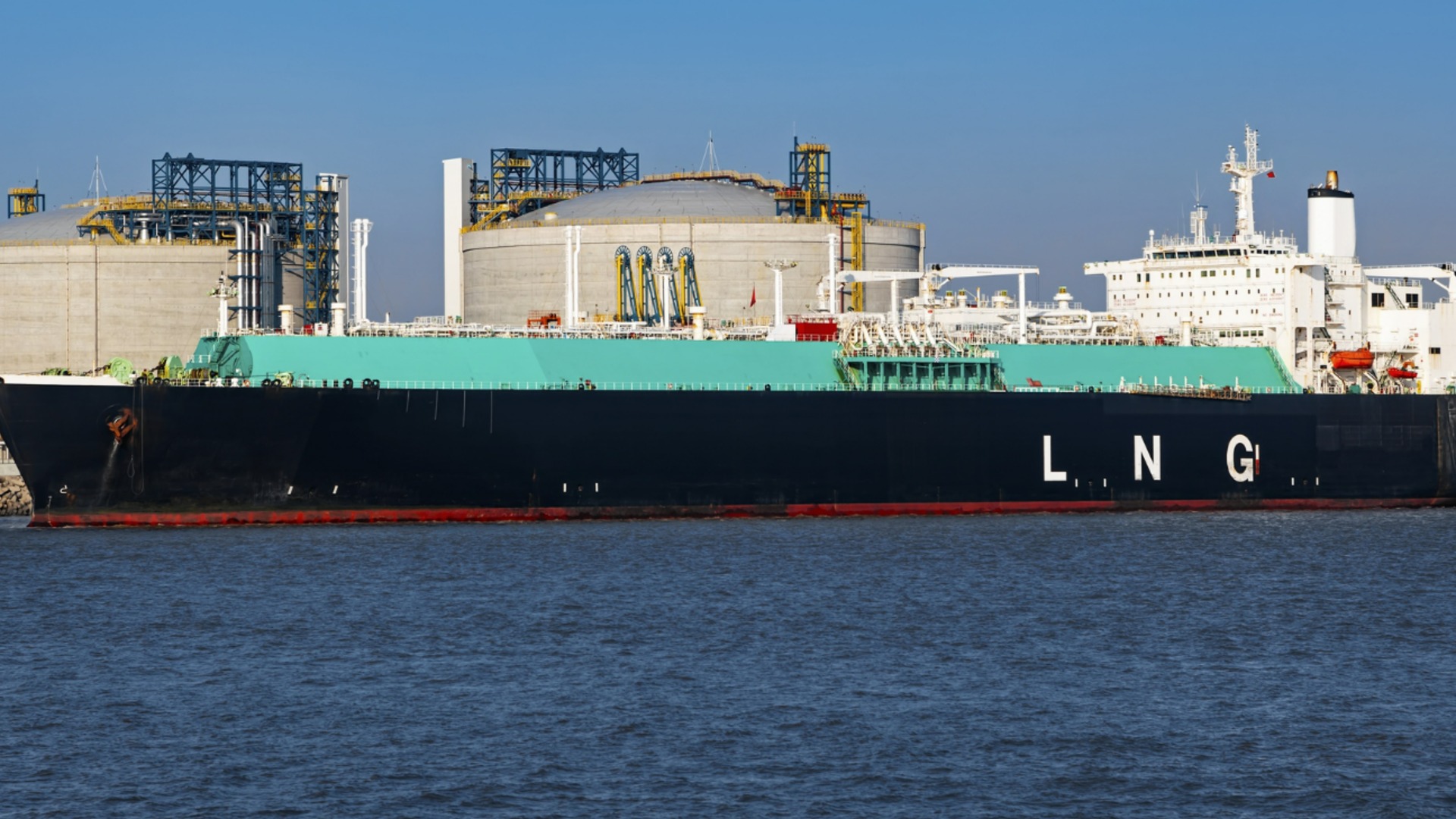
Abu Dhabi-based XRG has secured an additional 7.6% equity interest in Trains 4 and 5 of the Rio Grande LNG project at the Port of Brownsville. This expansion by the ADNOC-owned firm underscores a deliberate shift in Washington’s energy strategy, cementing the UAE as a cornerstone ally in U.S. foreign policy.

Money Talk·Jul 15
Ukraine Shifts Drone Offensive to Russian Black Sea Tankers
Energy

Ukraine Shifts Drone Offensive to Russian Black Sea Tankers

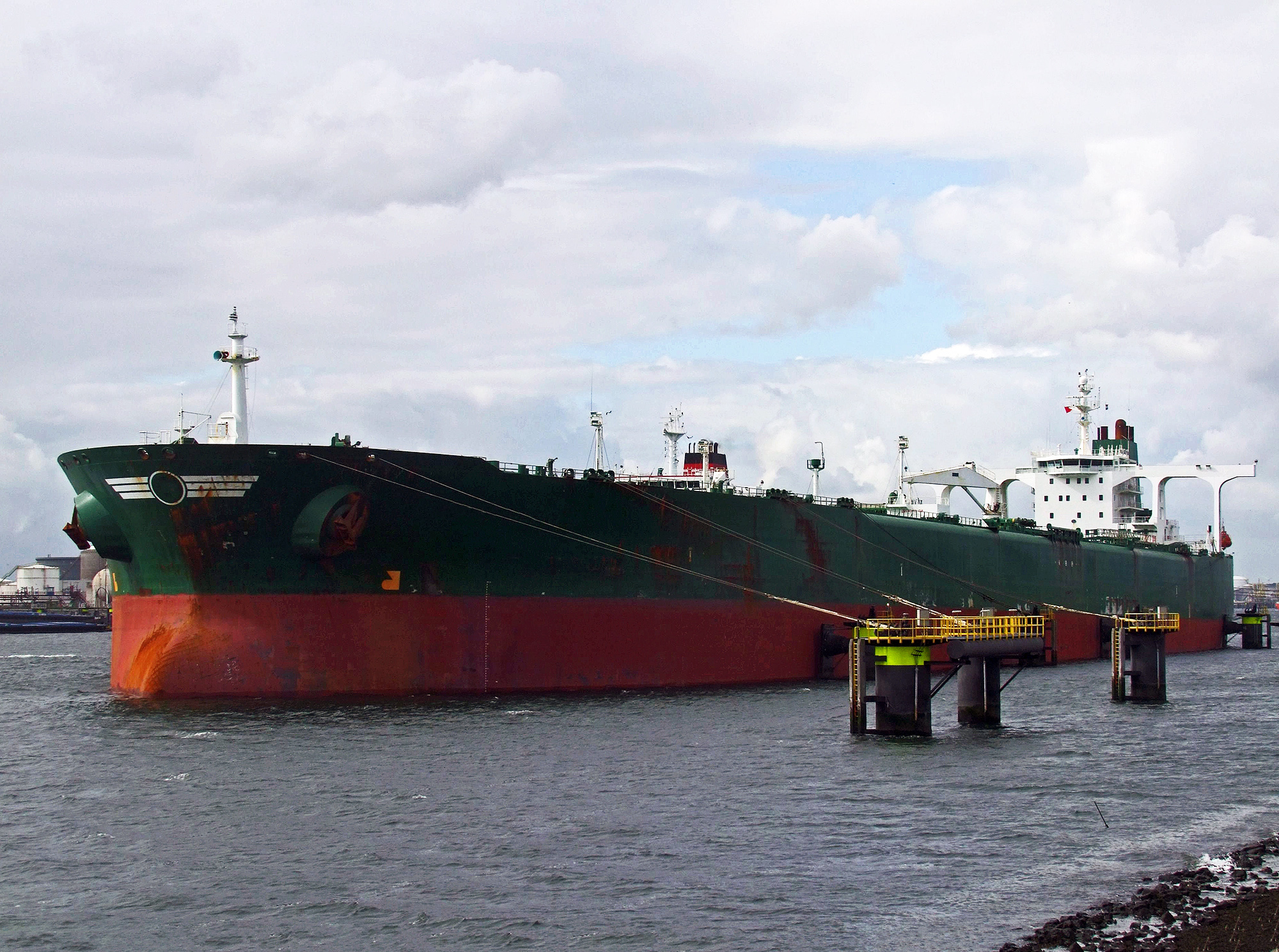
Ukrainian forces targeted 20 vessels in the Black Sea overnight Wednesday, signaling a tactical expansion from the Sea of Azov into Russia's primary maritime export artery. Drone commander Robert Brovdi confirmed the strikes against 17 oil tankers, two gas carriers, and a tugboat, marking a sharp escalation in naval hostilities.

Money Talk·Jul 15
Brent Futures Shift to Backwardation Amid Middle East Volatility
Energy

Brent Futures Shift to Backwardation Amid Middle East Volatility

The Brent Crude futures curve has swung into backwardation, reflecting a sharp shift in market sentiment as renewed hostilities in the Middle East threaten global supply chains. Traders are rapidly pricing in the collapse of tanker traffic through the Strait of Hormuz and the return of a U.S. naval blockade.

Money Talk·Jul 15
China’s Crude Stockpiles Are Now the Oil Market’s Second Shock Absorber
Energy

China’s Crude Stockpiles Are Now the Oil Market’s Second Shock Absorber

As Middle East tensions roil global energy markets, China has quietly transformed into a powerful buffer against supply shocks. By drawing down record volumes from massive commercial inventories instead of competing for spot cargoes, Beijing has effectively decoupled its domestic refinery demand from immediate global price volatility.

Money Talk·Jul 15
U.S. Gasoline Prices Poised to Hit $4 Threshold
Energy

U.S. Gasoline Prices Poised to Hit $4 Threshold

Drivers across the United States face a sharp return to higher costs at the pump as the national average gasoline price tracks toward $4 per gallon. A 12% surge in crude oil prices over three days, triggered by collapsing ceasefire talks and geopolitical instability, has ended a brief period of market relief.

Money Talk·Jul 15
The Hidden Climate Impact of Trump’s Strait of Hormuz Toll
Energy

The Hidden Climate Impact of Trump’s Strait of Hormuz Toll

Donald Trump’s proposal to levy a 20% charge on cargo moving through the Strait of Hormuz is being framed as an exercise in energy dominance, yet the policy risks triggering a massive, unintended acceleration of the global energy transition by making fossil fuel transit structurally expensive and legally precarious.

Money Talk·Jul 15
China’s Refinery Throughput Hits Six-Year Low
Energy

China’s Refinery Throughput Hits Six-Year Low

Processing volumes at Chinese refineries plummeted to 12.47 million barrels per day in June, marking a 17.7% year-on-year collapse. This contraction, the sharpest since the onset of the pandemic in 2020, reflects a deepening crisis as domestic fuel demand stalls and crude import costs surge.

Money Talk·Jul 15
Geothermal Energy Offers a Lifeline for Germany’s Coal Regions
Energy

Geothermal Energy Offers a Lifeline for Germany’s Coal Regions

As Germany pushes toward a 100 percent renewable energy grid by 2035, the planned 2029 closure of coal-fired plants in the Rhineland has created an urgent need for sustainable replacements. Exploratory drilling near Weisweiler now suggests that tapping into underground heat could provide the round-the-clock power necessary to sustain these industrial communities.

Money Talk·Jul 15
Bangladesh Stakes Its Energy Future on the Rooppur Nuclear Plant
Energy

Bangladesh Stakes Its Energy Future on the Rooppur Nuclear Plant

With a $12.65-billion price tag, the Rooppur Nuclear Power Plant serves as a high-stakes litmus test for whether an emerging economy can successfully integrate complex atomic infrastructure. As Bangladesh nears the operational launch of its largest-ever project, the world is watching to see if the facility avoids catastrophic financial strain.

Money Talk·Jul 15
Canada Links West Coast Pipeline to Oil Sands Production Growth
Energy

Canada Links West Coast Pipeline to Oil Sands Production Growth

Faced with U.S. trade volatility, Canada is accelerating the West Coast Oil Pipeline, a project designed to ship 1 million barrels of oil daily to Asian markets. The agreement hinges on a delicate pact between federal authorities and the country’s five largest oil sands producers to balance export expansion with emission targets.

Money Talk·Jul 15
US Strategic Reserves Hit 43-Year Low Amid Inventory Drawdowns
Energy

US Strategic Reserves Hit 43-Year Low Amid Inventory Drawdowns

The Strategic Petroleum Reserve has dipped to 316.5 million barrels, marking its lowest level in over four decades. As commercial inventories continue a three-month slide, the American Petroleum Institute reports that crude stockpiles fell by an additional 564,000 barrels for the week ending July 10.

Money Talk·Jul 15
Venezuela’s Oil Recovery Hits the Operational Bottleneck
Energy

Venezuela’s Oil Recovery Hits the Operational Bottleneck

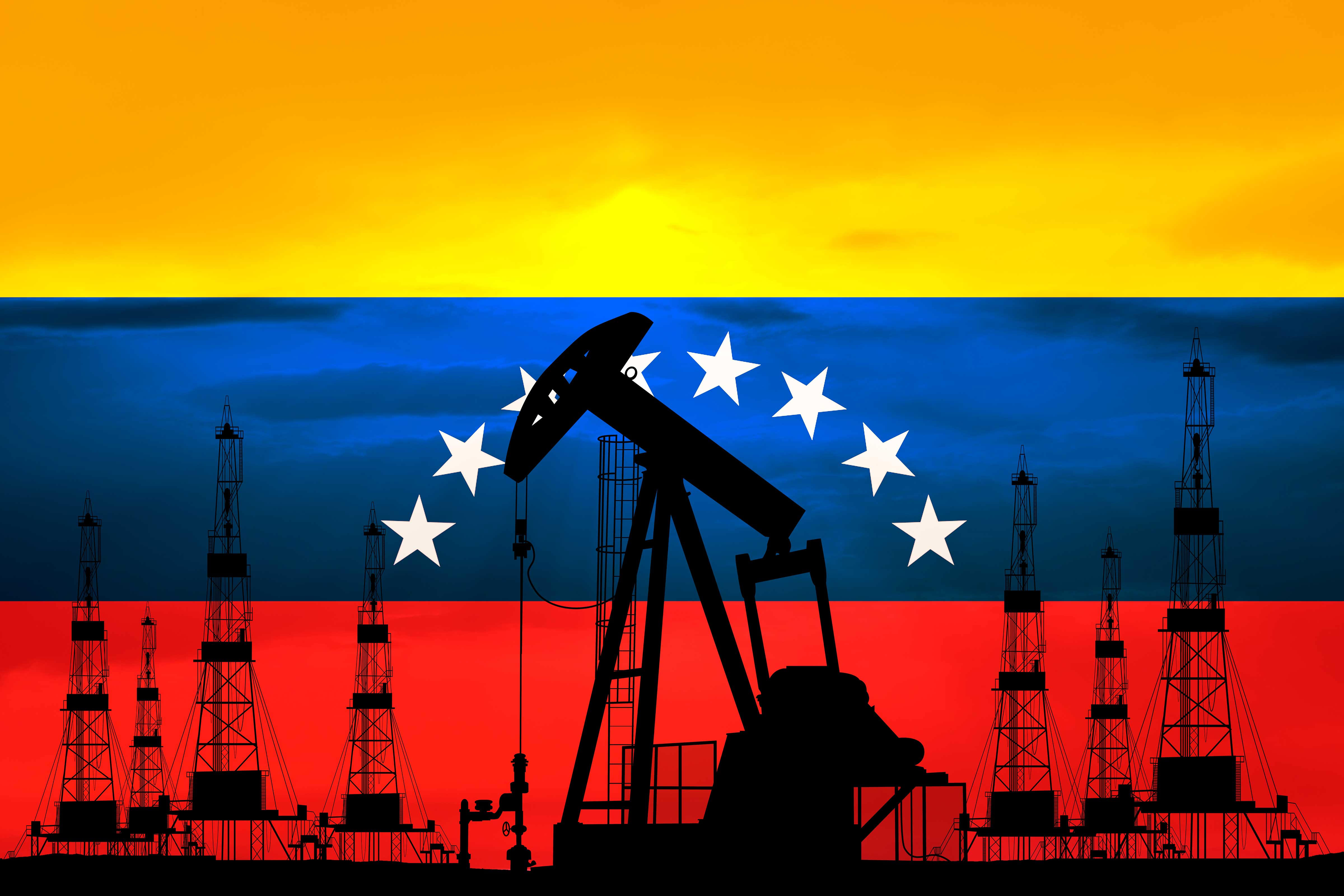
After years of stagnation, Venezuela’s oil sector is pivoting from policy reform to the grueling reality of industrial execution. While recent hydrocarbon legislation has opened the door for international investment, the industry faces a looming shortage of drilling rigs and service infrastructure that threatens to cap production growth.

Money Talk·Jul 14
Global Energy Markets Shift as Strait of Hormuz Conflict Escalates
Energy

Global Energy Markets Shift as Strait of Hormuz Conflict Escalates

The narrative of a looming oil surplus has evaporated as renewed hostilities between the United States and Iran push Brent crude above $85. With the Strait of Hormuz effectively locked by maritime blockades and direct missile strikes on tankers, global markets are bracing for a period of acute supply instability.

Money Talk·Jul 14
UK Borrowing Costs Surge as Iran-US Ceasefire Collapses
Energy

UK Borrowing Costs Surge as Iran-US Ceasefire Collapses

The collapse of a fragile ceasefire between Iran and the US has sent shockwaves through global markets, pushing UK 10-year government bond yields above five per cent for the third time since hostilities began. This sharp escalation in the Middle East poses an immediate fiscal challenge for incoming Prime Minister Andy Burnham.

Money Talk·Jul 14
Dangote Refinery Dumps Naira Pricing as Crude Shortages Bite
Energy

Dangote Refinery Dumps Naira Pricing as Crude Shortages Bite

The Dangote Petroleum Refinery has abandoned its naira-based fuel pricing, shifting to dollar-denominated rates for gasoline, diesel, and jet fuel. The pivot follows persistent failures by the state-owned NNPC to supply the 13 to 15 crude cargoes required monthly to keep the 700,000-barrel-per-day facility fully operational.

Money Talk·Jul 14
Solar Power Stays Cheapest Despite 18% Price Hike
Energy

Solar Power Stays Cheapest Despite 18% Price Hike

Utility-scale solar costs climbed to $40–$98 per megawatt-hour this year, a sharp 18% increase fueled by volatile interest rates, new trade tariffs, and soaring silver prices. Despite these headwinds, solar retains its position as the world's most economical source for new electricity generation, outpacing traditional thermal alternatives.

Money Talk·Jul 14
New York Halts Large-Scale Data Center Expansion
Energy

New York Halts Large-Scale Data Center Expansion

Governor Kathy Hochul has enacted the nation’s first statewide moratorium on new, large-scale data centers, freezing the permitting process for facilities requiring 50 megawatts or more of electricity. The move marks a sharp turn in state policy, forcing a year-long assessment of how power-hungry computing infrastructure impacts local grids and water resources.

Money Talk·Jul 14
Black Sea Conflict Fuels Oil Price Spike Above $87
Energy

Black Sea Conflict Fuels Oil Price Spike Above $87

Brent crude surged 4.4% to $87.17 per barrel on Tuesday as a deadly Russian drone strike on a cargo ship in Odesa intensified fears over maritime supply routes. The escalation, coupled with Iranian attacks in the Strait of Hormuz, has driven a 15% rally in energy prices since Friday.

Money Talk·Jul 14
Pakistan Scrambles for LNG as Strait of Hormuz Stalls
Energy

Pakistan Scrambles for LNG as Strait of Hormuz Stalls

No LNG tankers have exited the Strait of Hormuz for several days, forcing Pakistan to issue its second emergency spot tender in two weeks. The disruption of Qatari shipments, triggered by a fresh wave of hostilities, has left the South Asian nation scrambling to secure energy supplies for July.

Money Talk·Jul 14
Iran Defies U.S. Naval Blockade to Maintain Oil Exports
Energy

Iran Defies U.S. Naval Blockade to Maintain Oil Exports

Iranian Oil Minister Mohsen Paknejad declared Tuesday that Tehran’s crude exports remain unaffected by the sudden cancellation of U.S. sanctions waivers. Despite a reinstated naval blockade and escalating regional skirmishes, the ministry claims its long-standing mechanisms for circumventing trade restrictions continue to function without interruption.

Money Talk·Jul 14
Asian Refiners Pivot Back to U.S. Crude Amid Hormuz Instability
Energy

Asian Refiners Pivot Back to U.S. Crude Amid Hormuz Instability

The brief window of calm in the Strait of Hormuz has slammed shut, forcing Asian refiners to abandon hopes for steady Middle Eastern supply lines and return to the U.S. spot market. Escalating naval tensions and renewed blockades have disrupted tanker traffic, compelling major importers to prioritize security over logistics.

Money Talk·Jul 14
Chinese Refiners Scale Back Saudi Crude Imports
Energy

Chinese Refiners Scale Back Saudi Crude Imports

Chinese refiners have begun bypassing Saudi Arabia for August term crude cargoes, marking a sharp decline from the 40 million barrels per month average recorded last year. This shift follows a strategic pivot toward cheaper regional alternatives and growing concerns over transit vulnerabilities within the Strait of Hormuz.

Money Talk·Jul 14
Oil Prices Spike Above $86 After Iranian Strike on UAE Tankers
Energy

Oil Prices Spike Above $86 After Iranian Strike on UAE Tankers

Two Iranian cruise missiles struck the Mombasa and Al Bahiyah tankers in the Strait of Hormuz on Tuesday, prompting an immediate 3% surge in global oil prices. The attack, occurring within Omani territorial waters, killed one crew member and signaled a dangerous escalation in Middle East maritime security.

Money Talk·Jul 14
Iran Skirts U.S. Sanctions With 12 Million Barrels in Dark Shipments
Energy

Iran Skirts U.S. Sanctions With 12 Million Barrels in Dark Shipments

Six sanctioned supertankers slipped through the Strait of Hormuz with their transponders disabled in the week following July 7, successfully moving 12 million barrels of crude oil. This surge in clandestine activity occurred immediately after the U.S. revoked waivers on Iranian oil sales following maritime attacks in the region.

Money Talk·Jul 14
Refiners Reap Record Margins as Fuel Markets Lag Crude Recovery
Energy

Refiners Reap Record Margins as Fuel Markets Lag Crude Recovery

The benchmark U.S. 3-2-1 crack spread has vaulted above $60 per barrel, hitting an all-time record as global refining margins decouple from plummeting crude prices. While the reopening of the Strait of Hormuz has flooded the market with oil, the world’s fuel inventories remain dangerously depleted.

Money Talk·Jul 14
China Crude Imports Hit Decade Low Amid Hormuz Supply Crisis
Energy

China Crude Imports Hit Decade Low Amid Hormuz Supply Crisis

China’s crude oil imports plummeted 41.3% in June, falling to 7.12 million barrels per day as the deepening crisis in the Strait of Hormuz strangled supply chains. Official customs data confirms the volume is at its lowest point since October 2016, signaling a sharp retreat by the world’s largest oil buyer.

Money Talk·Jul 14