
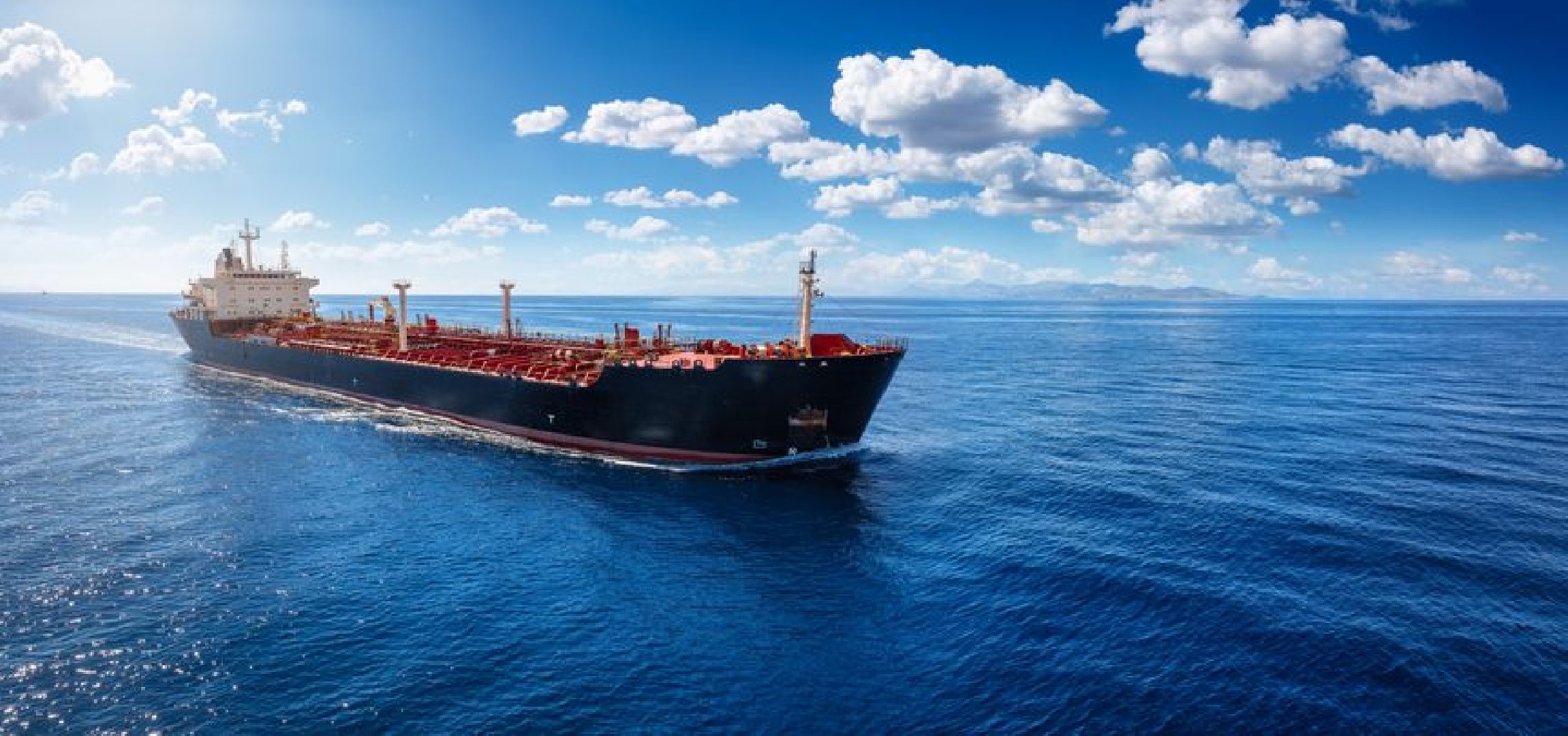
Maritime intelligence firm Windward reported that between 6 p.m. on June 17 and 2 p.m. UTC on June 18, traffic began to stir in the vital waterway. The vessels included an LNG tanker, a vehicle carrier, and several oil tankers, ten of which had been stranded in the Persian Gulf for 109 days following the conflict that erupted on February 28. Michelle Wiese Bockmann, Windward's chief analyst, described the movement as a trickle, noting that pre-war transit levels averaged seven vessels daily before the blockade.
Economic normalization depends on more than just signatures on a paper. Ben Cahill of the Atlantic Council emphasized that the market is watching for a consistent two-way flow of tankers, which is essential to reviving upstream production in the Middle East. Shipping companies remain cautious, seeking proof that the threat of renewed hostilities—or the presence of sea mines—has truly dissipated. Insurance premiums, which spiked as high as 10 percent of hull value during the conflict, have yet to stabilize, leaving vessel owners weighing the safety of their crews against the necessity of global trade routes.


Comments (0)
No comments yet. Be the first!