
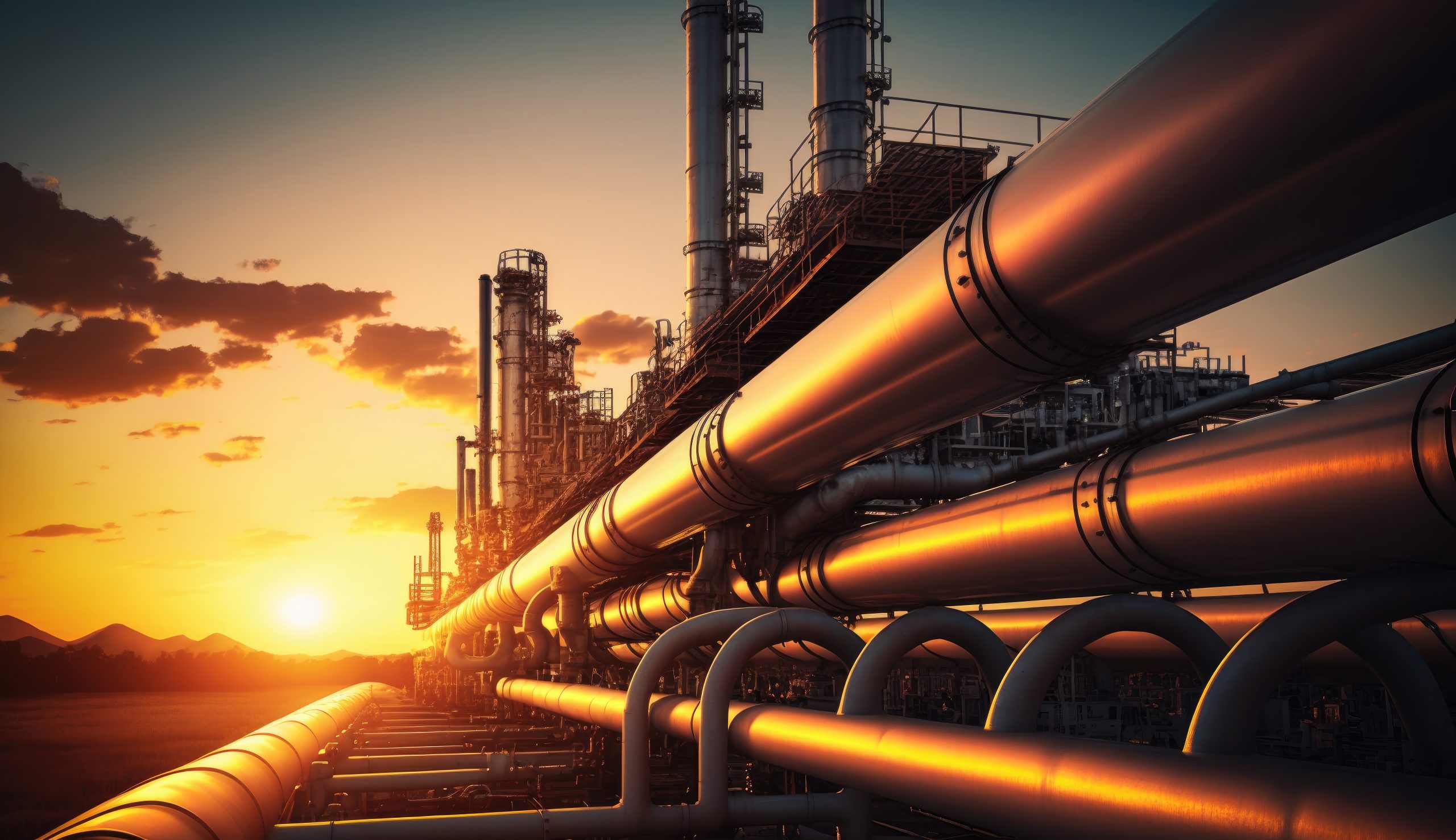
The Four Seas Initiative envisions an infrastructure consortium capable of mobilizing $10 billion to construct pipelines spanning the Persian Gulf to the Mediterranean. If realized, the network could transport 4 million barrels of oil per day and 50 billion cubic meters of gas annually. Beyond energy security, the project promises to revitalize the Syrian economy, with transit and production revenues projected to reach $12 billion per year.
A $10 Billion Plan to Redraw Middle East Energy Maps
A new proposal from the Washington-based New Lines Institute aims to bypass the volatile Strait of Hormuz by establishing a massive energy corridor through Iraq, Jordan, Turkey, and Syria. The initiative seeks to funnel Gulf oil and gas toward Mediterranean markets, effectively decoupling European energy reliance from Russian and Iranian supplies.
Modeled after the European Union's Three Seas Initiative, the strategy hinges on the post-Assad stabilization of Syria to transform the Levant into a transit hub. Proponents argue the plan secures American commercial influence in the region while offering a path for Syria to rejoin the international community. However, former U.S. diplomat Robert F. Cekuta noted that the primary hurdles remain logistical and diplomatic. Success requires moving beyond abstract concepts to secure corporate partnerships and navigate the complex, practical realities of regional infrastructure development.



Comments (0)
No comments yet. Be the first!