
The latest data from the Bureau of Labor Statistics reveals that core inflation, excluding food and energy, reached 2.9%. However, the primary catalyst remains the energy sector, which saw a 23.5% yearly increase. Economists attribute this volatility directly to the conflict in the Strait of Hormuz, where the retaliatory closure of critical shipping lanes has crippled supply chains. Heather Long, chief economist at Navy Federal Credit Union, described the situation as a direct squeeze on middle- and lower-income households, noting that wage growth of 3.4% has been completely neutralized by rising prices for electricity, fuel, and basic goods.
US Inflation Hits Three-Year High as Energy Costs Surge
A 4.2% annual inflation rate in May has pushed living costs to their highest point since 2023, effectively erasing over a year of wage gains for American workers. The spike follows the administration's military escalation in Iran, which triggered a sharp rise in energy prices and global shipping disruptions.
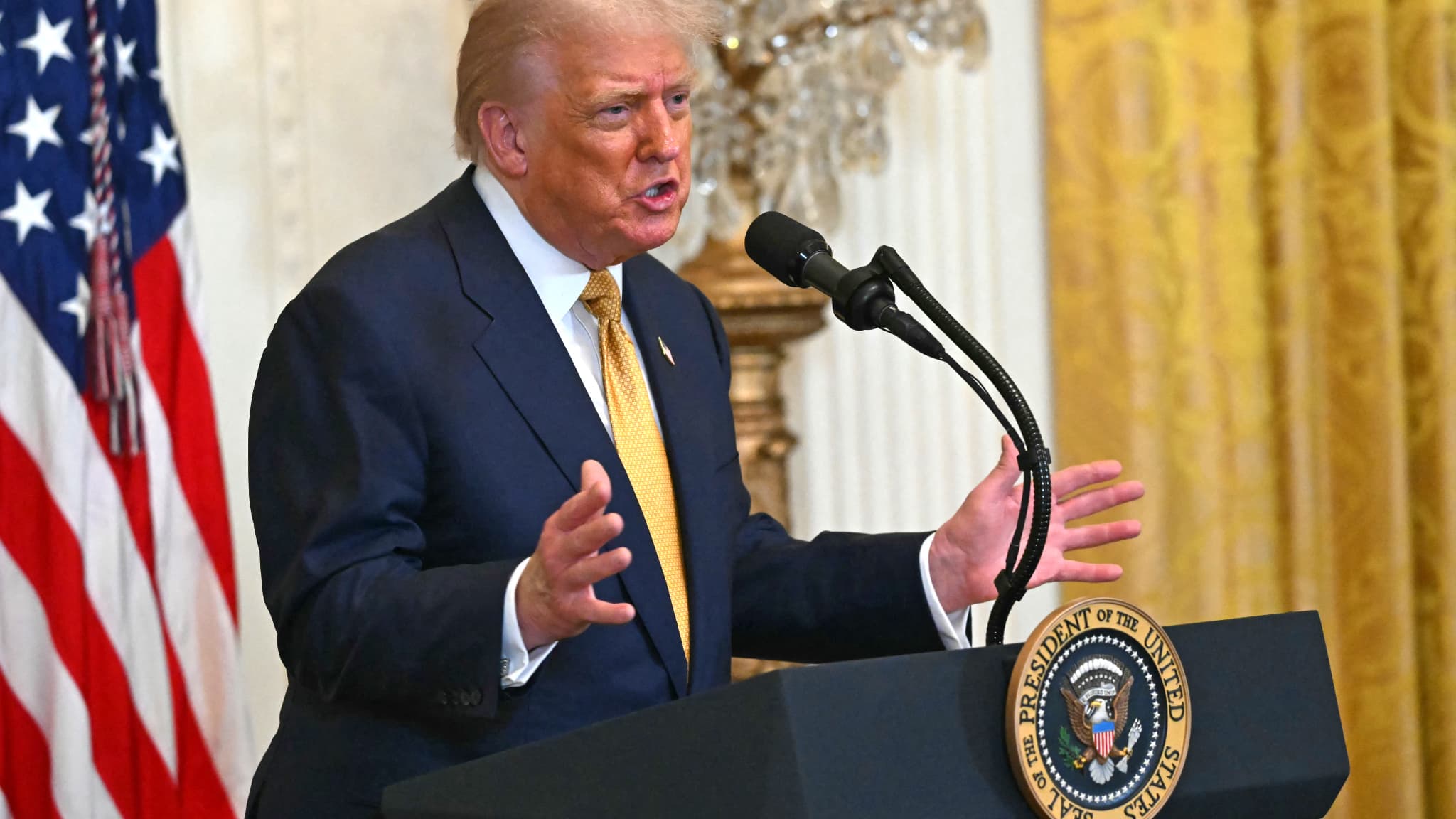
Market analysts, including Creative Planning's Charlie Bilello, argue that these figures may force the Federal Reserve to resume interest rate hikes, a move that would likely place the central bank in direct political conflict with the White House. Meanwhile, critics like Rep. Don Beyer point to the administration's reliance on import tariffs as a compounding factor that has further strained consumer affordability. Alex Jacquez of the Groundwork Collaborative characterized the current economic climate as a persistent crisis for working families, warning that the lack of budgetary breathing room is forcing many to exhaust their personal savings to cover essential costs.




Comments (0)
No comments yet. Be the first!