
The Children’s Climate Risk Report 2026 paints a grim portrait of a world where ecological instability has become the baseline. According to the data, 2.3 billion children endure air pollution, while 1.8 billion face the encroaching reality of drought. Extreme heat affects 1.2 billion, and hundreds of millions struggle with the destructive aftermath of coastal or riverine flooding. These hazards rarely strike in isolation; they create a compounding cycle where crop failure leads to food insecurity, followed by displacement and the collapse of local infrastructure.
UNICEF: Nearly Every Child Globally Faces Climate-Linked Hazards
With 2.4 billion children on Earth, the vast majority now live in the crosshairs of the climate crisis. A new report from UNICEF reveals that nearly every child worldwide is exposed to at least one major environmental threat, from intense heatwaves and severe flooding to persistent, life-altering drought.
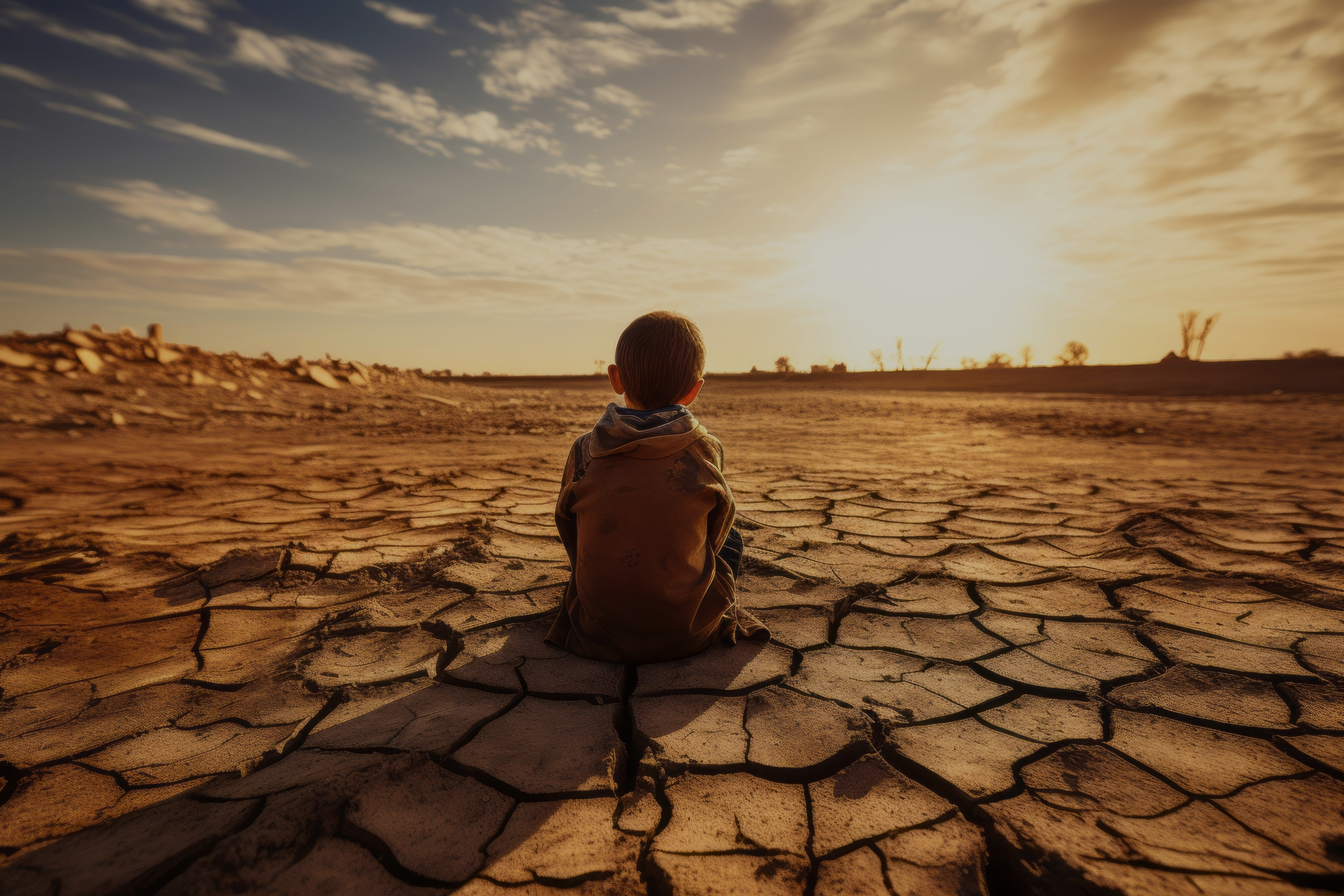
Sub-Saharan Africa remains the most vulnerable region, though South Asian nations like Bangladesh and Pakistan face the highest intensity of overlapping threats. Tom Slaymaker, a specialist with UNICEF and the World Health Organization, warned that without immediate, child-focused intervention, these shocks will only intensify. The agency’s recommendations include mandating child-centric environmental impact assessments, upgrading health facilities with climate-resilient infrastructure, and accelerating the transition to renewable energy. Executive director Catherine Russell stated that while the situation is dire, targeted investment in resilient services and education remains the most effective path to protecting the next generation.



Comments (0)
No comments yet. Be the first!