
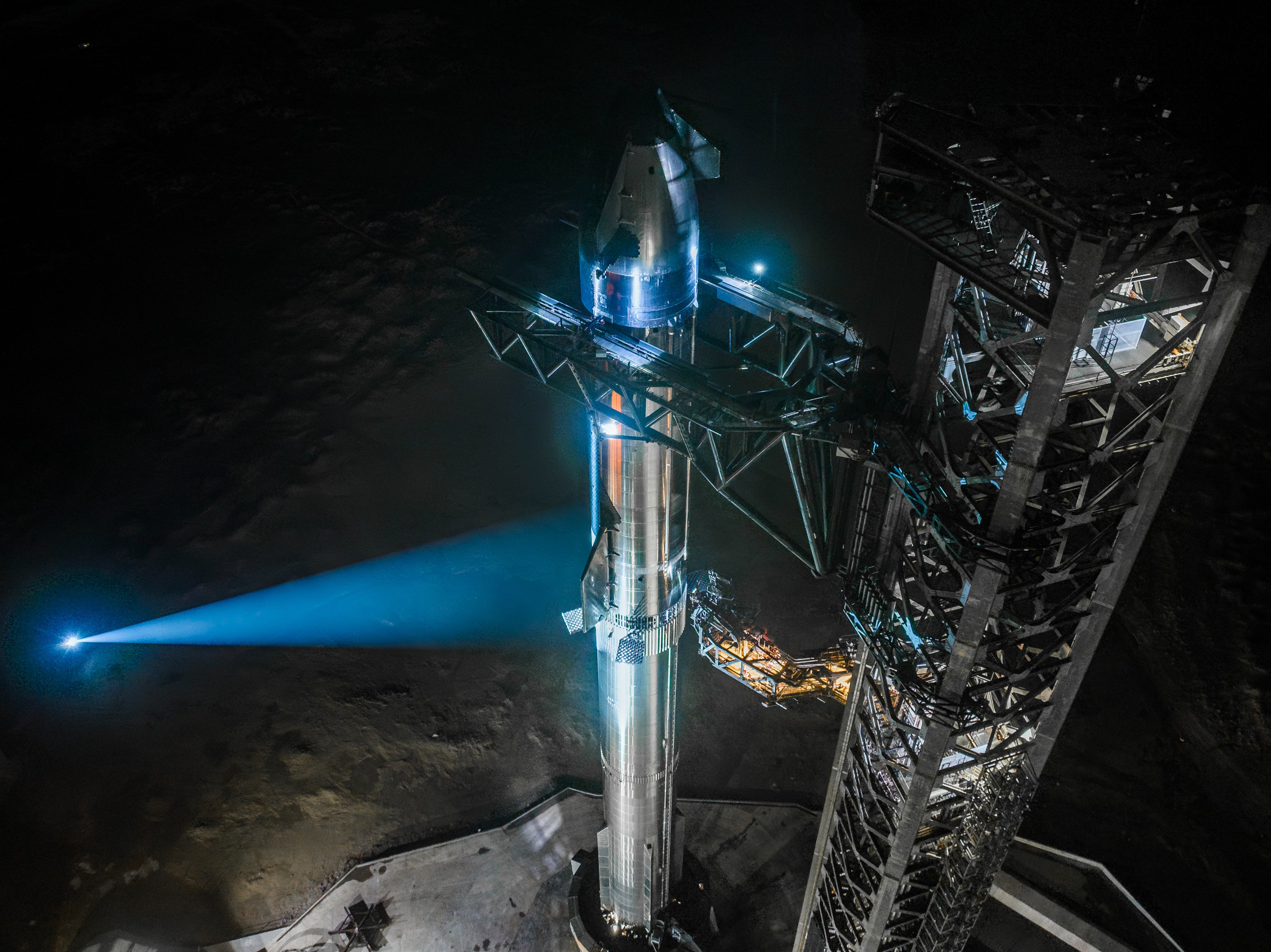
Orbital emerged from Andreessen Horowitz’s Speedrun accelerator with a coalition of backers including Basis Set, Human Element, and Wayfinder. While the company’s vision of offloading AI compute to orbit avoids Earth-bound environmental hurdles, it faces the steep cost of current launch technology. Poon acknowledged that the Falcon 9 remains too expensive for commercial feasibility, pinning the company’s scaling timeline to the operational maturity of Starship.
Based in Los Angeles, the team—comprising veterans from SpaceX, Northrop Grumman, and Amazon LEO—is preparing a demo flight to test radiation shielding and thermal management using an Nvidia Blackwell chip. By 2028, Orbital plans to launch its first processing spacecraft equipped with Nvidia’s Space-1 Vera Rubin-class GPUs. The ultimate roadmap targets a constellation of 10,000 satellites, each aiming for 100 kilowatts of power, to provide distributed gigawatt-scale computing.



Comments (0)
No comments yet. Be the first!