
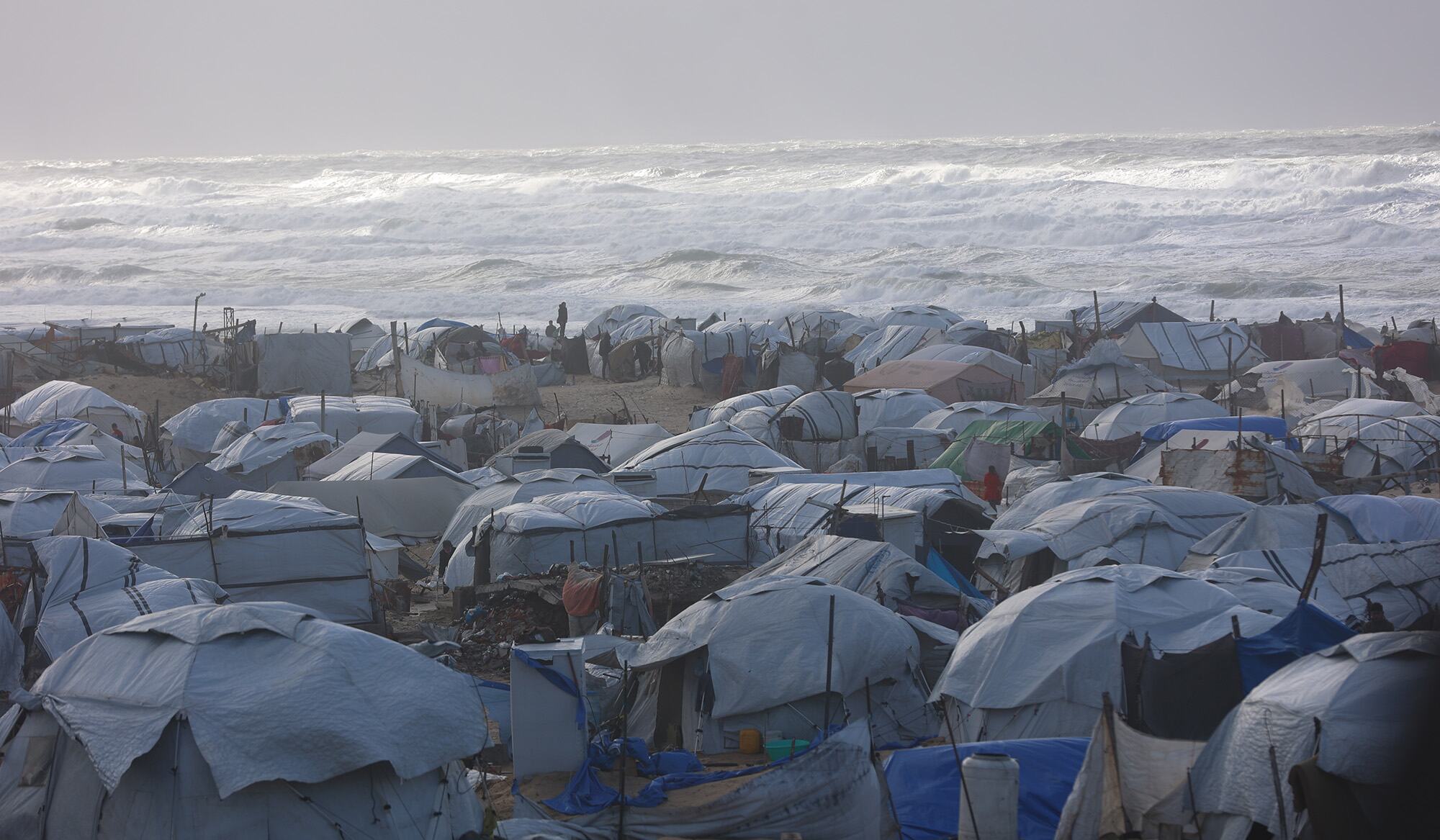
Bacterial meningitis cases rose from around 10–20 a month to 108 in October, with another 100 recorded in November, Dr. Nidal Ghunaim, the ministry’s deputy director general of primary healthcare, said. Fifteen people have died from the illness this year, including five between August and October. The UN Office for the Coordination of Humanitarian Affairs (OCHA) reported that 77% of cases were in babies under one year old. Laboratory tests suggested a link to enteroviruses, which can spread through water.
The ministry asked the World Health Organization and UNICEF to provide laboratory supplies and antibiotics and help establish isolation wards. It said children face particular danger from meningitis, which inflames the membranes around the brain and spinal cord. Oxfam International warned Monday that damage to wastewater treatment plants has increased the risk of exposure to water contaminated with pathogens. OCHA said on November 18 that 45% of surveyed households were living less than 10 metres from sewage and sludge after flooding.
Officials also said Israel’s restrictions on “maintenance spare parts, sterilization materials, and fuel” were hampering efforts to contain transmission. Winter rains earlier this month destroyed tens of thousands of tents, which had been sheltering more than 1 million people, and flooded encampments with rainwater mixed with sewage. The ministry said it held the Israeli occupation “fully and directly responsible” for the outbreak.


Comments (0)
No comments yet. Be the first!