
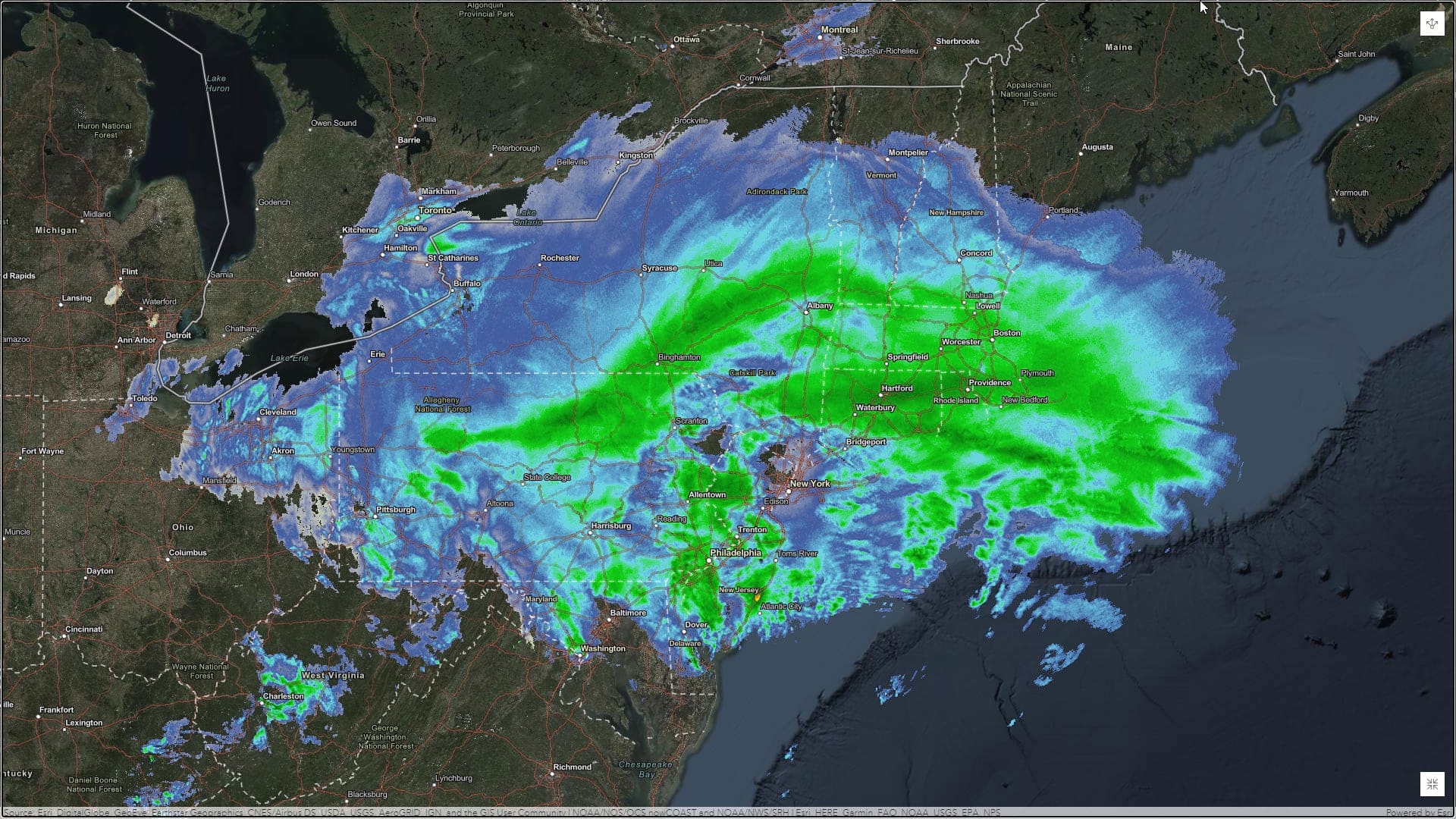
Traditional weather forecasting relies on government supercomputers processing complex mathematical equations to model atmospheric physics. While accurate, these systems are resource-heavy and notoriously slow. Google’s latest model bypasses these limitations by learning patterns from massive datasets, a technique that has already outperformed systems from Nvidia, Microsoft, and the European Center for Medium-Range Weather Forecasting on the Brightband WeatherBench utility.
WeatherNext 3 marks a significant leap in technical capability by addressing common AI forecasting pitfalls: resolution, precipitation tracking, and data dependency. With 2.4 times more parameters than its predecessor, the model now targets specific weather stations rather than relying solely on averaged grid metrics. This allows it to ingest raw satellite data in real-time, providing hourly predictions that are significantly more localized.



Comments (0)
No comments yet. Be the first!