
The current focus remains a 153-kilometer stretch connecting the Turkmen border at Serhetabat to Herat. While official Turkmen narratives highlight the deployment of 700 specialists and 300 units of machinery, the actual progress on the ground remains minimal. During the recent summit, the parties signed a letter of intent concerning gas shipments to Herat, yet this document lacks the essential economic architecture required for a functional energy corridor.
Stalled Ambitions: The TAPI Pipeline’s Persistent Afghan Roadblock
Decades after the TAPI natural gas project first appeared on regional maps, the pipeline remains a blueprint of unfulfilled potential. Despite a high-profile visit to Afghanistan by Turkmenistan’s Gurbanguly Berdymukhamedov on August 10, the massive infrastructure initiative struggles to move beyond symbolic gestures and into substantive, bankable reality.
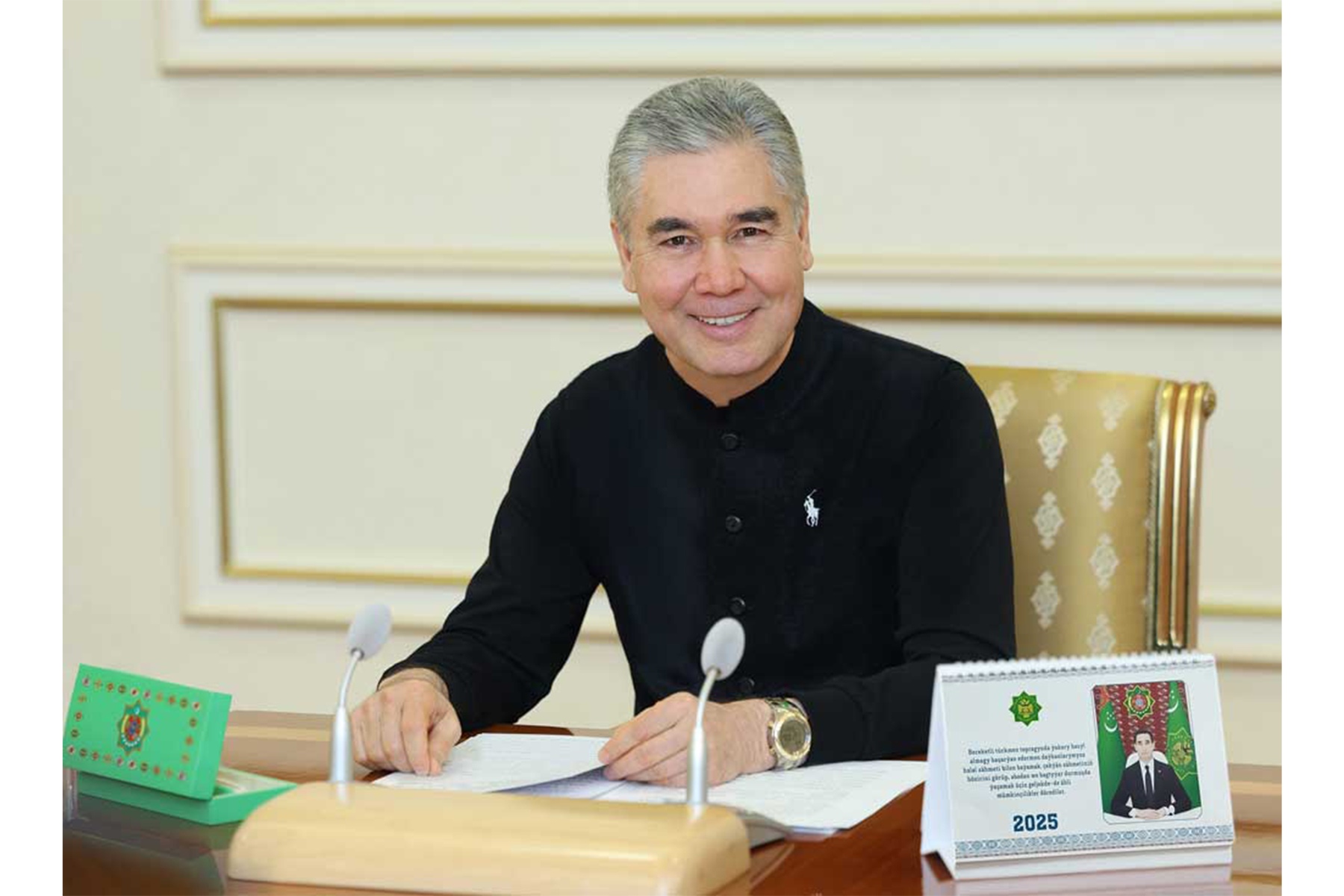
Negotiations have hit a familiar impasse regarding pricing and supply volumes. Ashgabat’s history of rigid export terms continues to clash with Afghan demands for flexible, long-term agreements. Deputy Prime Minister Mullah Abdul Ghani Baradar explicitly urged for simplified conditions and a review mechanism, but the talks concluded without a breakthrough. Beyond the pipeline, Berdymukhamedov’s broader proposals—including power transmission lines, fiber-optic cables, and a unified logistics center—stayed firmly in the realm of rhetoric rather than actionable policy, leaving the project’s future as uncertain as ever.



Comments (0)
No comments yet. Be the first!