
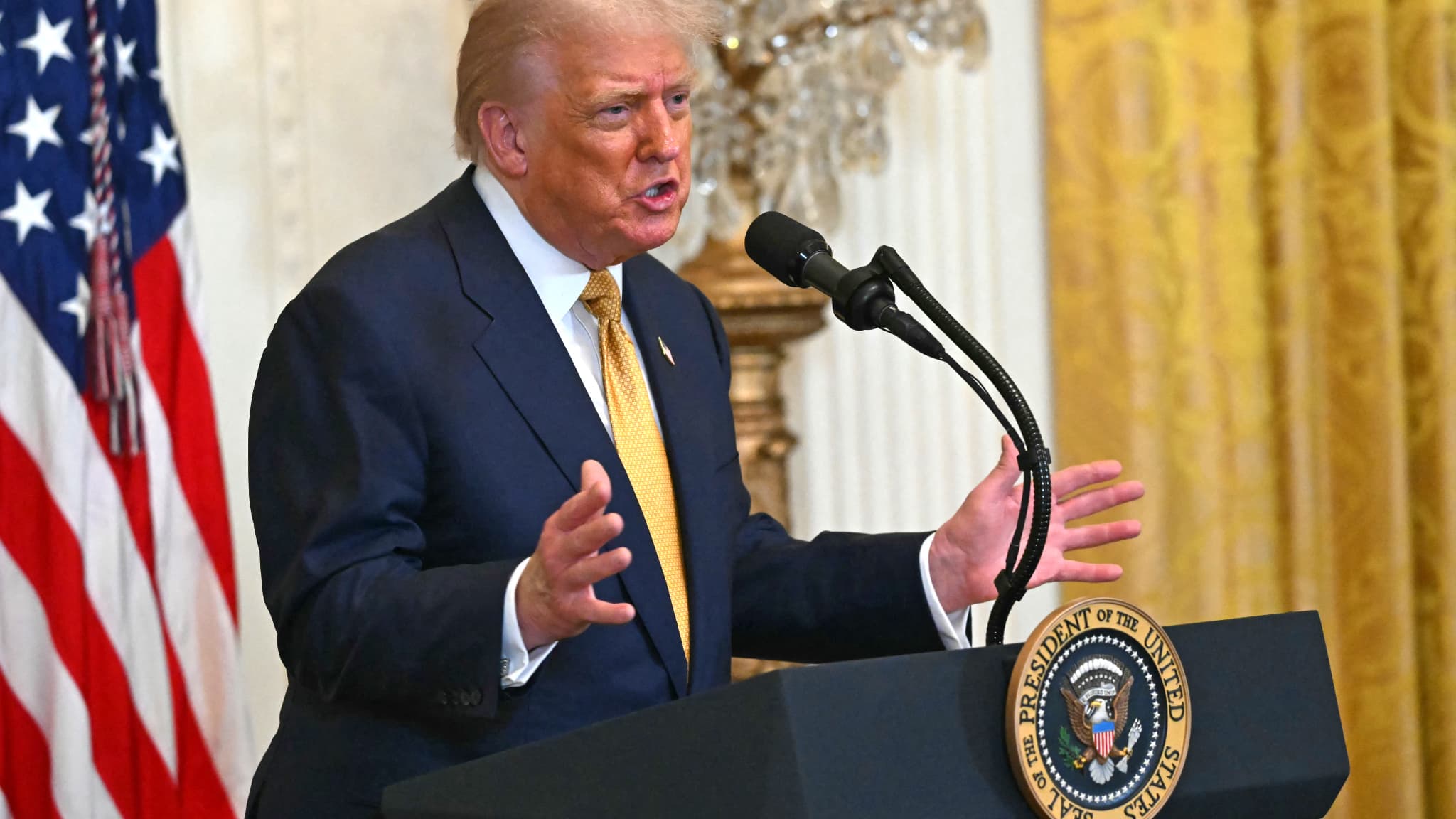
Stalled negotiations between the U.S. and Iran have left the Strait of Hormuz effectively locked, fueling a 5% weekly gain for Brent. President Trump’s assertion of total control over the transit route signals a preference for economic siege tactics over diplomatic resolution, leaving the market to grapple with the reality of constrained global supply. The International Energy Agency recently revised its outlook, forecasting a 1.8 million-barrel-a-day deficit this quarter—double its previous prediction—and warning of the largest annual supply shortfall in five years.
Diesel Squeeze Signals Deeper Fault Lines in Global Oil Markets
Conflict in the Strait of Hormuz has pushed Brent crude toward $90 a barrel, but the real pressure is building in the refining sector. While headline crude prices fluctuate, record-breaking diesel cracks reveal a systemic supply shortage that threatens to keep energy costs volatile well into next year.

While U.S. crude stockpiles surged by 17.4 million barrels last week due to shifts in export dynamics, Jefferies analyst Sam Burwell suggests that crude inventories mask the underlying volatility. Data from China highlights this disconnect: imports remain significantly below the five-year average of 11 million barrels per day. If Beijing moves to replenish its stocks, the resulting demand could further strain an already stretched system. Currently, global tightness is manifesting through diesel cracks that have shattered all-time highs, even as crude prices remain off their absolute peaks. With refining utilization near 20-year seasonal highs, the market remains trapped in a cycle where persistent demand for industrial fuel keeps the entire energy complex on edge.

Comments (0)
No comments yet. Be the first!