
The Solomon Sea tanker departed the PRefChem refinery in Pengerang last week, carrying a specialized cargo of uncracked residual petroleum. Operated by the Malaysian state giant Petronas, this 300,000-bpd facility rarely ships to the U.S. market. Typically, West Coast refineries rely on closer sources like Mexico and Venezuela, but shifting global trade flows have made the long-haul arbitrage profitable.
U.S. Refiners Look to Malaysia to Plug Feedstock Gap
A 540,000-barrel shipment of low-sulfur fuel oil is crossing the Pacific from Malaysia to the U.S. West Coast, marking the first such import in three years. As global supply chains buckle under Middle Eastern bottlenecks, American refiners are reaching across the ocean to secure the high-quality feedstock needed to maintain record production.
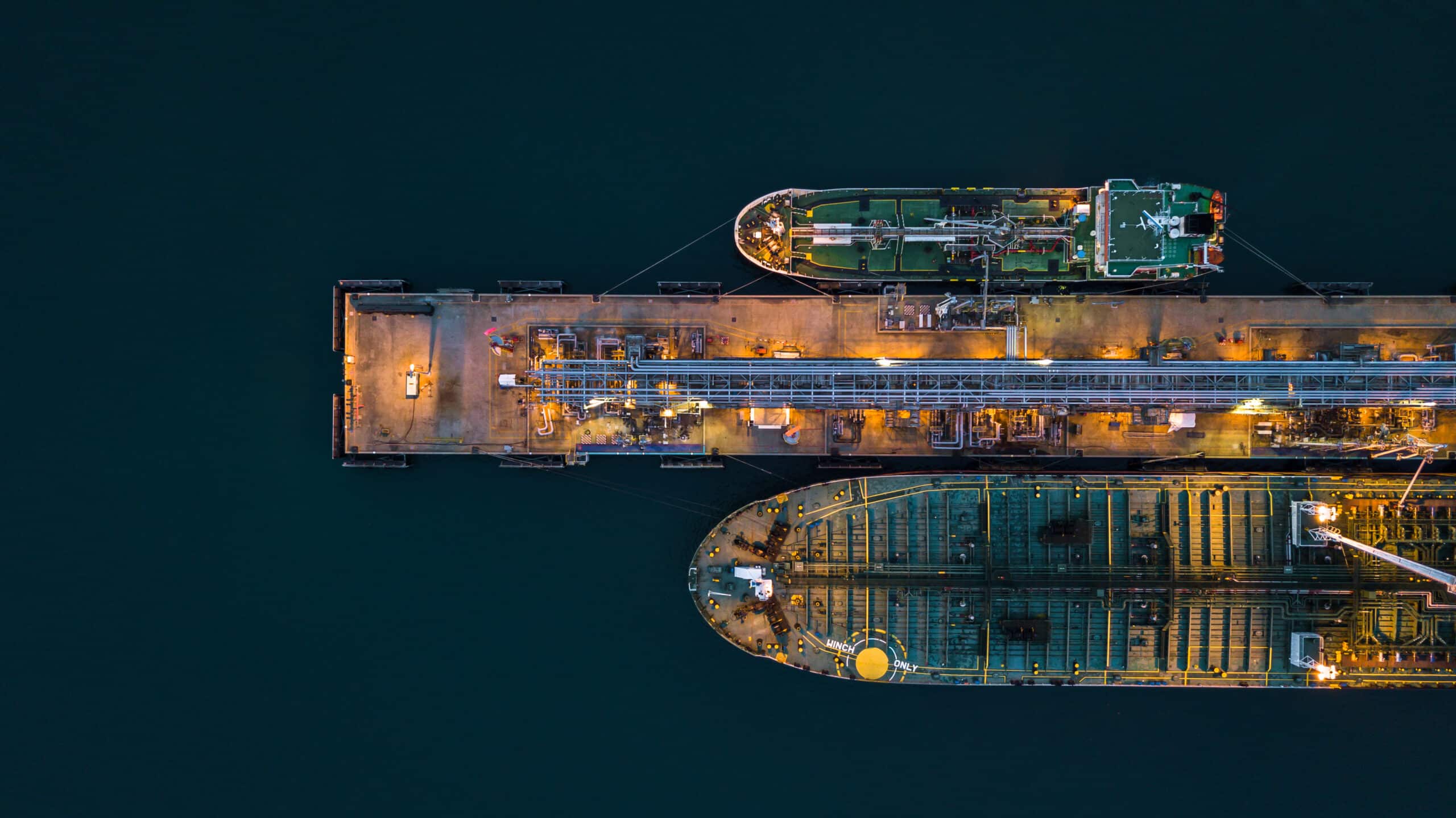
This shift highlights the acute pressure on U.S. fuel supplies. With refining margins hitting record highs, companies are pushing capacity utilization to the limit to meet peak summer demand. The LSSR fuel oil—valued for its low sulfur content and minimal impurities—is currently in high demand for blending into marine fuels and processing into diesel. As inventories deplete and supply disruptions persist, the reliance on distant, specialized feedstocks suggests that domestic producers are increasingly forced to hunt for quality supply wherever it remains available.



Comments (0)
No comments yet. Be the first!