
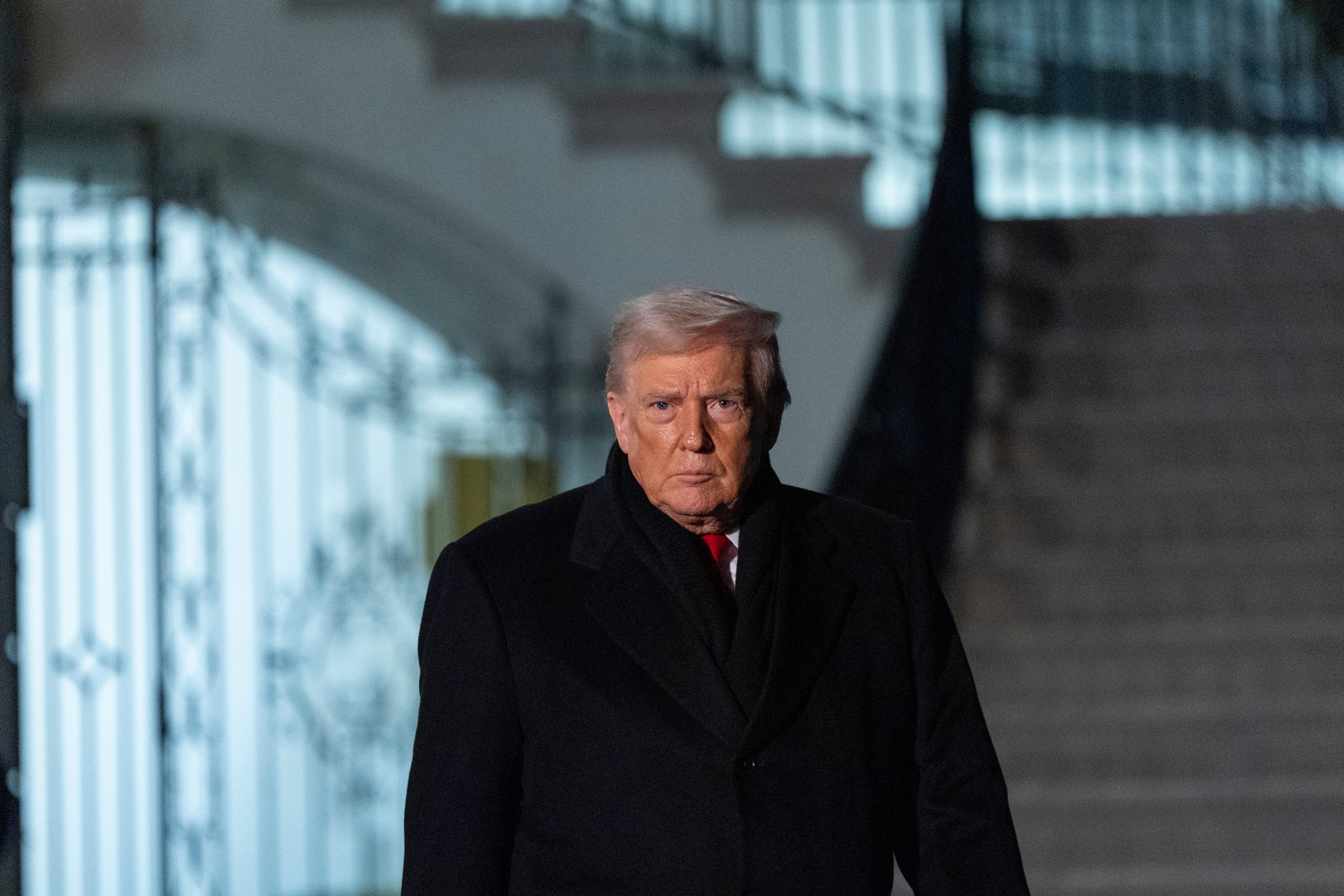
The political calculus behind this stance is deeply intertwined with the energy sector's influence. During the 2024 election cycle, the oil and gas industry funneled an estimated $450 million into campaign contributions and lobbying efforts to support President Trump and Republican candidates. Given this immense financial backing, a sudden policy pivot against these donors appears unlikely, despite the president's recent rhetoric criticizing companies over elevated gas prices.
Practical barriers also complicate any potential intervention. To legally enforce an export ban, the president would need to declare a national emergency, likely tied to geopolitical instability like the closure of the Strait of Hormuz. Even then, an export ban might fail to lower prices at the pump. U.S. refineries rely on a specific balance of light sweet crude and heavy sour crude; they export the surplus of the former while importing the latter. Simply halting light crude exports would not necessarily yield more finished gasoline or diesel, as it ignores the technical requirements of domestic refining infrastructure.

Comments (0)
No comments yet. Be the first!