
UBS data indicates that global supply-chain stress remains near pandemic-era highs. Pierre Lafourcade, a senior international economist at the bank, notes that while the Global Supply Chain Stress Index dipped slightly in July, it remains significantly elevated compared to levels recorded before the conflict. The median reading currently sits 0.9 standard deviations above its pre-conflict baseline, suggesting that any diplomatic breakthrough will not provide an immediate remedy for the fragmented flow of goods.
Hormuz Shipping Bottleneck Strains Global Supply Chains
Shipping transits through the Strait of Hormuz remained heavily disrupted Monday, despite reports that Iran and Oman are inching toward a resolution. While Brent crude futures have eased to $85 a barrel on hopes of a deal, the underlying logistical damage to global trade networks continues to mount.

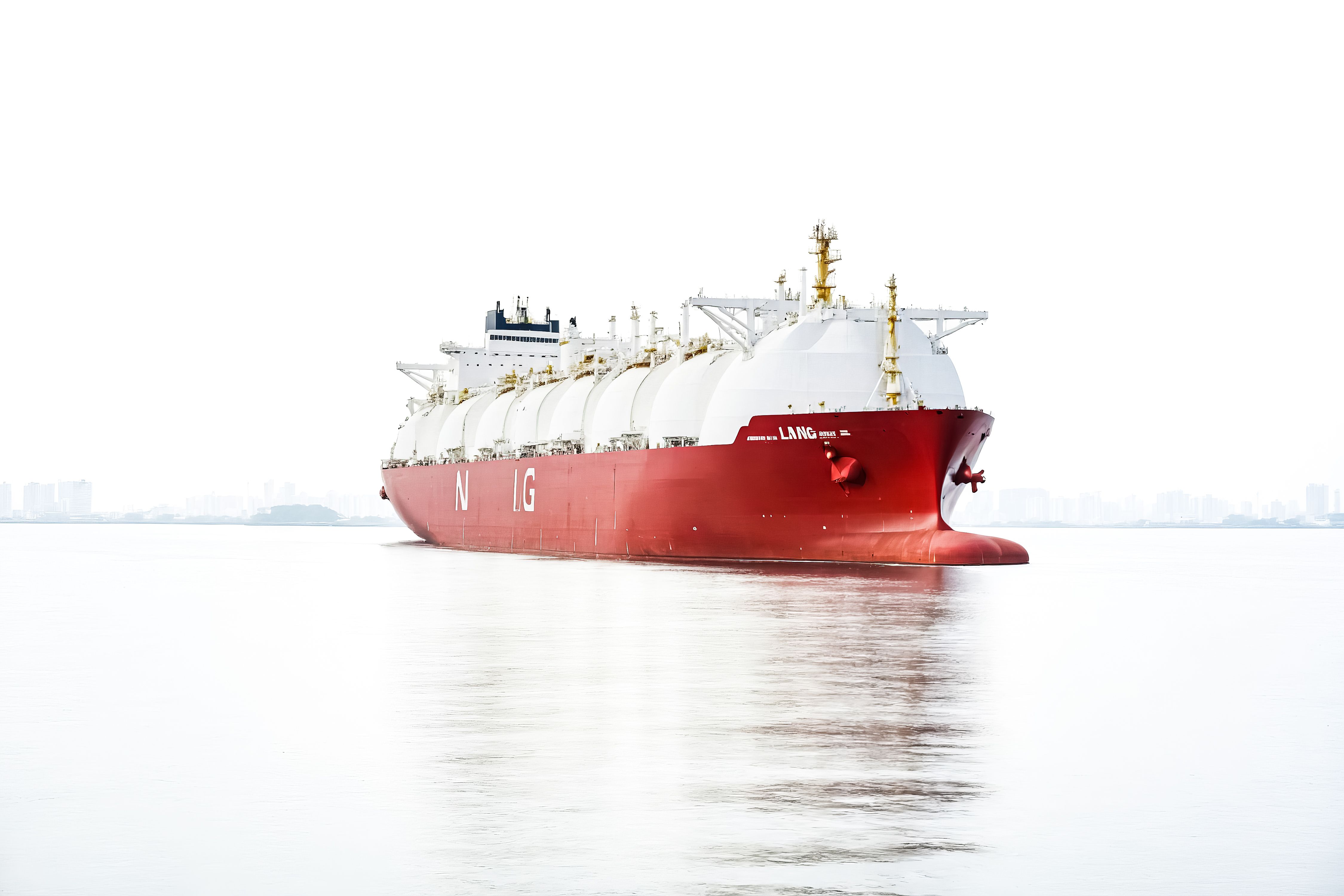
Disruptions have created a stark divergence across shipping sectors. While seaborne oil and gas flows in Asia have recovered roughly half of their initial losses, other cargo volumes remain stagnant. Delivery times have worsened in the United States, and shipping costs tracked by indices like Baltic and Drewry have surged. As these bottlenecks persist, the secondary effects—ranging from depleted inventories to renewed inflationary pressures—threaten to outlast any formal agreement to reopen the chokepoint.


Comments (0)
No comments yet. Be the first!